
Health
FULL SPEECH: Health Minister Says Gov’t To Evaluate 3 Candidate Vaccines For Ebola

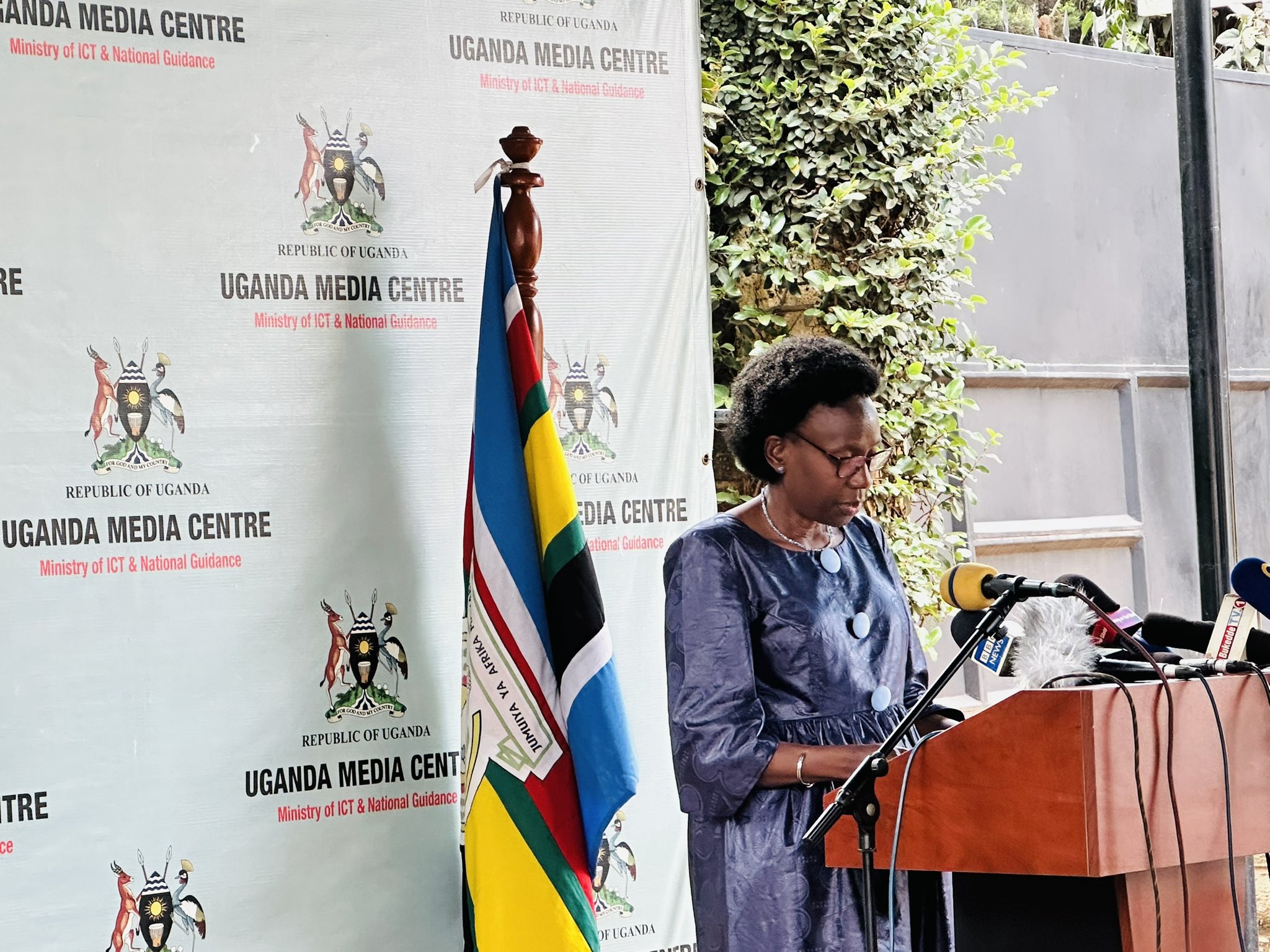
Uganda’s Health Minister, Dr Jane Ruth Aceng, has revealed that the government will be evaluating three candidate vaccines for the treatment of Sudan Ebola Virus Disease (SUDV).
Aceng made the remarks on Wednesday while addressing the media on the current status of the outbreak of the disease in Uganda.
“The Ministry of Health will be evaluating the efficacy of three candidate Ebola Sudan vaccines on contacts in the coming weeks. The candidate vaccines are; Oxford from the United Kingdom, Sabin from the USA and Merck from the USA,” Aceng said.
She added, “The main objective is to evaluate their efficacy to protect primary contacts of Ebola patients within 29 days of contact. We plan to vaccinate contacts of 150 confirmed cases (3000) initially. The trial preparation has been concluded and we estimate that we may begin the trial in two weeks’ time.”
It should be recalled that on 20th September 2022, the Ministry of Health declared an outbreak of the Ebola- Sudan virus in the district of Mubende. The outbreak then spread to affect four other districts including Kasanda, Kagadi, Bunyangabu, and Kyegegwa within a period of two weeks. Subsequently due to movements of contacts and symptomatic individuals for health services, the outbreak spread to Wakiso District and Kampala City. Bringing the total number of affected authorities to seven. All the affected local authorities had been categorized as very high risk or high risk based on the assessment done by the Ministry of Health.
BELOW IS THE MINISTER’S FULL SPEECH
STATUS OF THE EBOLA OUTBREAK
It is 35 days today since the declaration of the outbreak. The total number of confirmed cases stands at 109 of whom 30 have succumbed to this deadly disease while 34 have been treated and have improved while 45 are under treatment.
Among the confirmed cases, have also been health workers. To-date fifteen (15) health workers have been infected, of whom six (6) have succumbed to the infection. May their Souls Rest in Peace.
Of the fifteen (15), the six (6) were from the private facilities and nine (9) are from the public health sector, this includes the team of medical students who got infected in Mubende RRH. We have noted that most of cases tend to visit several private clinics for care before finally going to the public facility as a last
resort. This exposes the healthcare workers to infection. I therefore appeal to all the health workers to use appropriate protective wear when in the facilities attending to patients.
Ebola Treatment facilities.
Government and partners have set up three Ebola Treatment facilities in Mubende District. A forty-two (42) bed-capacity treatment facility at the
Regional Referral Hospital. Another forty-two (42) bed-capacity Ebola Treatment facility at the district’s Works grounds. The third treatment facility is at the original outbreak epicenter: an eight (8) bed capacity facility that is cushioning the main facilities as the center for suspected cases under investigation.
In Kampala Metropolitan area, we have two permanent treatment facilities in Mulago National Referral Hospital and Entebbe municipality. Mulago Ebola Treatment facility is a 120-bed facility that is co-located, but a separate from Mulago National Referral Hospital. This facility is currently housing the 50 quarantined contacts from Kampala and Wakiso. They will be evacuated this week to create room for admission ofboth suspected and confirmed cases.
The second Ebola Treatment facility is the Entebbe National Isolation center in Entebbe Municipality. Its a 67 bed-capacity facility with 8-1CU beds. This is where all the current Kampala Metropolitan confirmed cases are being managed.
The Ministry of Health with support from partners is setting up an additional treatment facility in Mulago sports field. This 64 bed-capacity facility will be built in two phases over a period of four (4) weeks.
With the completion of this facility, the Ministry of Health will have 351 beds available for treatment of confirmed cases. Furthermore, open spaces have been identified to set up more tents should need arise.
Treatment for Sudan Ebola Virus
There is no known treatment for Sudan Ebolavirus. Currently there are a number of promising treatment options that the Ministry of Health is using under trial, including monoclonal antibodies, and repurposed drugs like Remdeservir donated by the US government. However, the doses available are still very few. So far 13 patients have received these trial drugs with relatively good outcomes. Four patients admitted in critical condition succumbed, emphasizing the importance of early reporting and hence treatment.
The Ministry of Health will be evaluating the efficacy of three candidate Ebola
Sudan vaccines on contacts in the coming weeks. The candidate vaccines are;
Oxford from the United Kingdom, Sabin from the USA and Merck from the USA.
The main objective is to evaluate their efficacy to protect primary contacts of Ebola patients within 29 days of contact. We plan to vaccinate contacts of 150 confirmed cases (3000) initially. The trial preparation has been concluded and we estimate that we may begin the trial in two weeks’ time.
Despite the presence of promising treatment modalities, the mainstay of control for Ebola Sudan virus are:
- Early detection of infected individuals and their contacts and immediate isolation for follow up and early treatment. Early treatment, as we have seen in the 34 recovered individuals is associated with good outcomes. For most of the individuals that have died, time was lost running from one clinic to another including visiting the witchdoctors.
- The population understanding the signs and symptoms of Ebola virus disease and avoiding exposure through CONTACT with sick persons or body fluids (vomitus, stool/feaces, blood, saliva, sweat, urine). This exposure may be through direct handling (deliberate, accidental, or incidental) of linen, surfaces, cleaning, sharing of lavatories, beddings, or through handshaking, hugging or caring for a confirmed case.
I would like to inform the population that, the symptoms of Ebola, in the early phases are similar and consistent with most common febrile illnesses like Malaria. Where the clinical course of the disease begins with high-grade fever, headache, sore throat, abdominal pain (upper abdomen), fatigue, general body weakness. Intractable vomiting and diarrhoea, plus bleeding manifestations may not be an early presentation.
This emphasizes the aspect of, “seek care early if you have had contact or are not sure of what you are feeling”.
The outbreak epicenter remains Mubende and Kasanda. Specifically, in Mubende district: the most affected sub counties are; Madudu, Kiruuma, and
Southern Division of the municipality. While in Kassanda; the sub counties of
Kikandwa and Kilwana are the most affected.
At the beginning of the outbreak, the epidemic spread to the three districts; of Bunyangabo, Kagadi and Kyegegwa. These districts have completed the 21days of contacts follow up and the individuals have been retired from the contact list. Since there has been no secondary transmission, we believe transmission may have been interrupted. However, intensified surveillance continues in these districts for another 21 days to complete the 42 days’ cycle before they can be cleared.
To stop further exportation of cases into other parts of the country, His Excellency the President of Uganda directed the restricting of movements into and out of the districts of Mubende and Kasanda. However, internal movement is allowed, and transit vehicles are free to cross through the two districts as long as they don’t stop to pick passengers along the way.
The President’s directive of restricted movement was based on optimizing control efforts in the same geographical area, and minimizing spread to other areas. The penetration of Ebola in heavily populated areas creates a situation of rapid spread and is associated with sustained and protracted person-toperson transmission, urban Ebola transmission is complex, and Government will do all it takes to ensure control of transmission in the urban settings.
To illustrate the extent, and the speed of urban transmission, a single case can quickly set up several transmission lines in a short time as shown in the graphic below.
NJ2: After burying BA, returned to Kla to unknown location, developed sx on unknown date, currently sick. Currently in Mitoma, and family believes it is a traditional illness and has received traditional In Kabira Village, Mitoma District— Fort Portal District aware and following up.
This is an example of the rapid spread of infection by the case that came from Kassanda to Mulago and later died in Nansana after running away from hospital. He is responsible for infecting the family of seven including the neighbors and many others. We were able to get this cluster, plus one other because of the Ministry s vigilance in contact tracing and field case investigation.
As a result of this, six (6) of the infected family members are of school going age. These learners attended 3 schools in Rubaga Division. We have listed 170 contacts from these schools that we are following up.
To ensure this rapid spread does not happen, ALL contacts in Kampala will be quarantined at Government cost at designated places for 21-days to limit further spread through secondary transmission. I appeal to all Ugandans to understand and appreciate the rationale behind this and cooperate to ensure that we bring this outbreak to a speedy end so that we return to our normal way of life.
In the two districts of Mubende and Kassanda, the Ministry of Health is carrying out the following interventions.
- Intense risk communication to sensitize the communities about Ebola
Virus disease, its cause, presentation and prevention.
- All burials in the communities (whether Ebola or not) are carried out by the Safe Dignified Burial Teams. Samples from all dead bodies are removed and tested to rule out death due to Ebola iii. Surveillance and contact tracing for all listed contacts aiming at 100% follow up.
- Surveillance in schools; all schools in Mubende and Kasanda districts have been provided with 3 temperature guns each to monitor temperature of learners, teaching and support staff. Parents have been counselled not to send sick children to school and teachers have been advised to report any absenteeism immediately for investigation
- Treatment of confirmed cases and psychosocial counselling.
- Integration of discharged cases back into the communities vii. Ecological Surveillance has been concluded with 189 bats caught in
Madudu and Kiruuma subcountys. Over 320 samples have already been extracted for testing to ascertain the actual cause and origin of the Ebola virus disease in Mubende.
LABORATORY TESTING
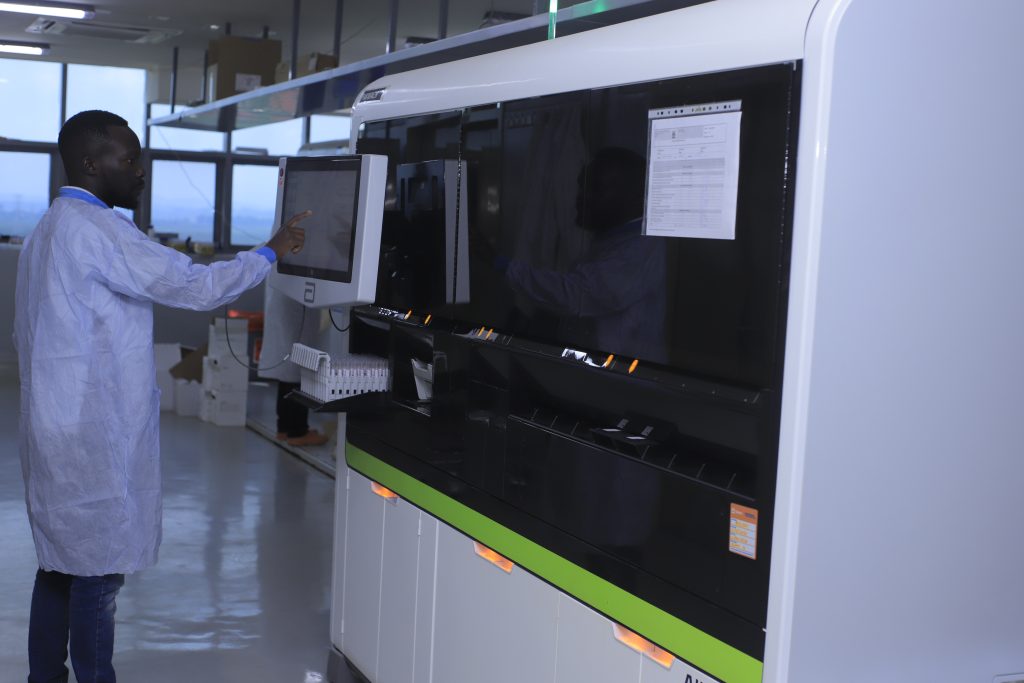
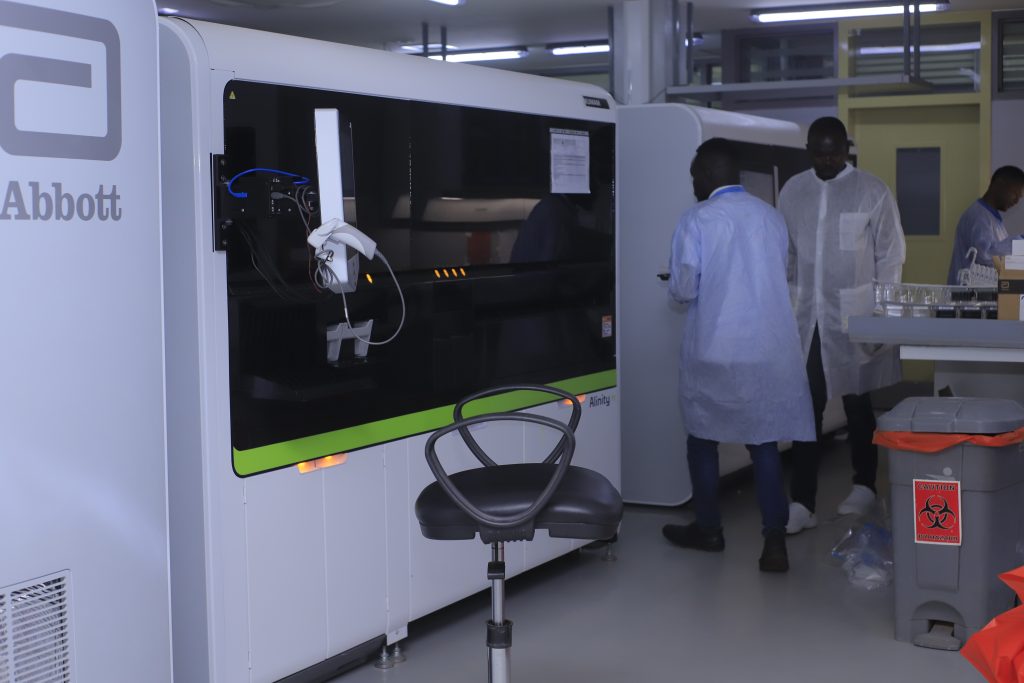
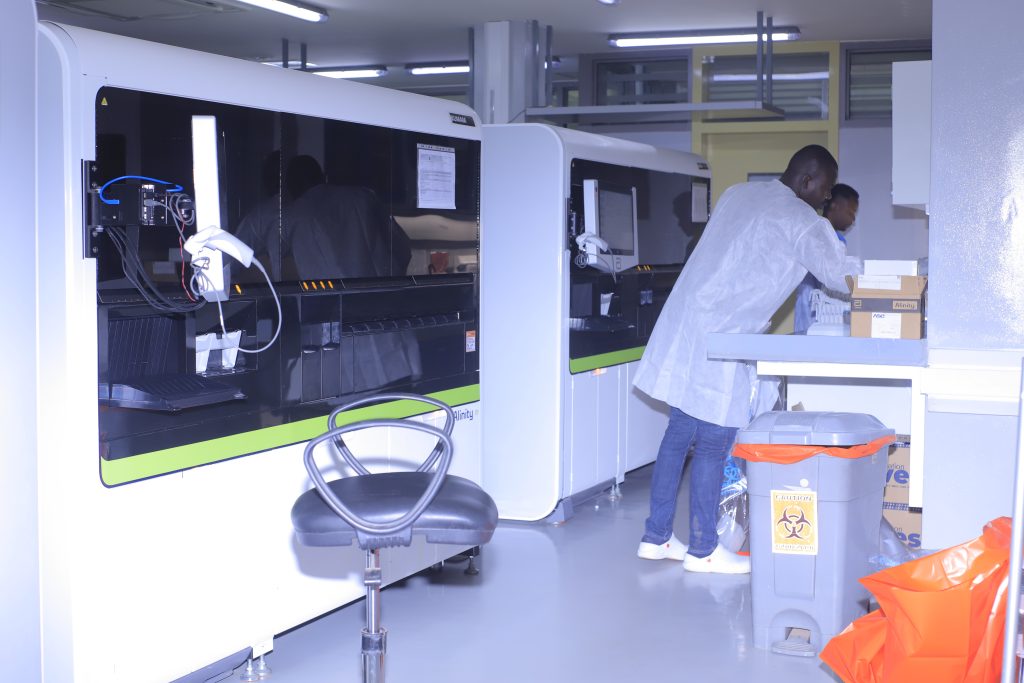
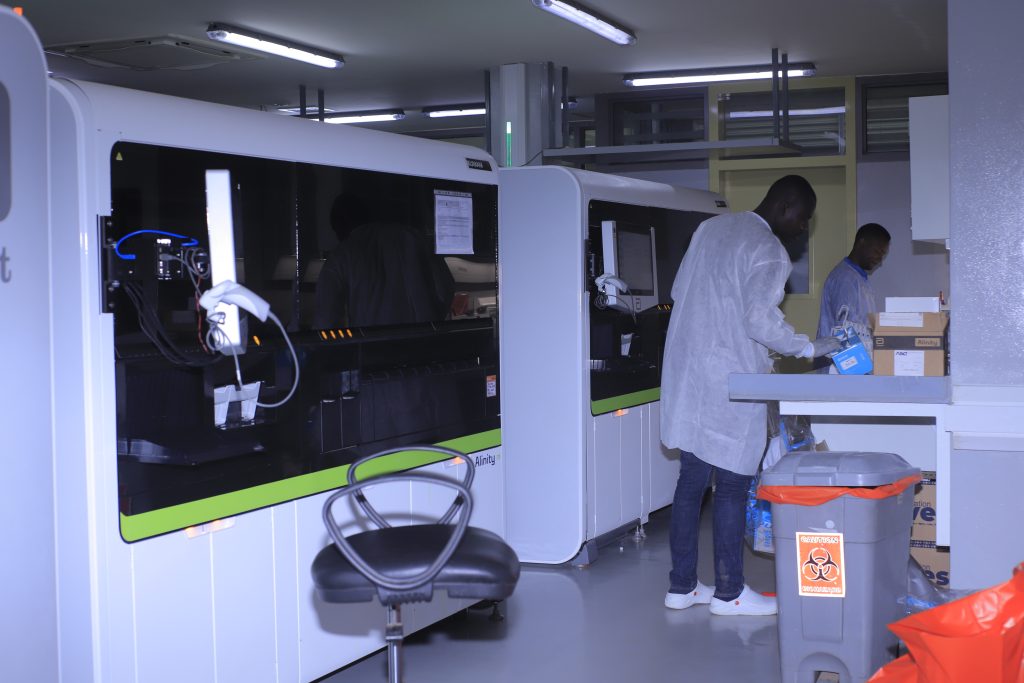
The Ministry of Health has deployed its first ever mobile Ebola laboratory in Mubende Regional Referral Hospital. This is part of the three mobile PCR laboratories procured by the East African Community Secretariat under the directive of the Heads of States of the East African Countries. The laboratory is currently handling all the samples from Mubende and Kasanda Districts.
The Uganda Virus Research Institute laboratory (UVRI) in Entebbe continues to handle all other samples from the rest of the country.
CONCLUSION
The Ministry of Health appeals to all of you to cooperate with our surveillance teams, the contact tracers (VHTS) and health workers.
If you have signs/symptoms of WD, please report to the nearest public health facility. If you or your loved one is a contact to an Ebola infected person, please inform the contact tracers and remain in isolation for 21 days while cooperating with our teams during this period of follow up. Running away exposes you and your loved ones potentially resulting into death, that could have been avoided.
To all health workers; first of all, I would like to appreciate you for the selfless service and hard work that you continue to exhibit during this response.
However, please maintain Infection, Prevention and Control measures -at all times. While you care for your patients, it is important that you protect yourself at all times. Wear your PPE appropriately and practice IPC measures at all times.
Thank you for listening to me.
For God and my Country.
Dr. Jane Ruth Aceng Ocero (MP)
Minister for Health/Woman MP, Lira City
26th October 2022


The recent flag-off of 116 ambulance vehicles by the Ministry of Health signifies not just an augmentation of emergency medical resources but a remarkable shift in Uganda’s healthcare landscape. This initiative, led by Dr. Diana Atwine, the Permanent Secretary, highlights a concerted effort to transform the country’s emergency response system, evolving from basic transport vans to equipped, life-saving ambulances.
Dr. Atwine’s announcement regarding the transition is significant. By 2016, Uganda possessed 173 Type A Road Ambulance Vehicles, serving merely as patient transport vans with minimal emergency care capabilities. However, the country has now surged ahead, boasting 187 Type B Road Ambulance Vehicles equipped with Basic Life Support tools, 4 Type C Road Ambulance Vehicles with Advanced Life Support equipment, 11 Type B Boat Ambulances, and 3 Type C Boat Ambulances. This stark evolution underlines the government’s commitment to phasing out outdated ambulance models and replacing them with advanced, fully-equipped vehicles.

The shift is a testament to Uganda’s dedication to enhancing emergency medical services. The shift from basic vehicles without standard equipment to advanced ambulances equipped with life-saving tools signifies a conscious effort to prioritize the well-being of citizens during emergencies. It’s a leap from mere transportation to providing critical care on the move.
Dr. Atwine’s vision, aiming for a fully operational National Ambulance Service by FY 2025/26, reflects the government’s forward-looking approach. The significance of this milestone extends beyond the numbers; it represents a comprehensive strategy to address emergency medical needs, aligning with global standards of care and response.
The inclusion of boats as ambulance vehicles also underscores a holistic approach to addressing emergencies, particularly in regions accessible only by waterways. This diversification of resources demonstrates a nuanced understanding of Uganda’s geographic diversity and a commitment to ensuring emergency care reaches even the most remote areas.
As Uganda moves towards this new era in emergency medical services, the focus remains on efficient utilization and adherence to stringent guidelines for ambulance usage. Dr. Atwine’s emphasis on proper management and utilization, including trained personnel and approved protocols for ambulance dispatch, signifies a holistic approach to maximizing the impact of these life-saving resources.
The shift from basic transport to advanced care within the ambulance fleet is not just a numerical upgrade; it’s a paradigm shift towards ensuring that every Ugandan, regardless of location or circumstance, has access to critical and timely medical care during emergencies.

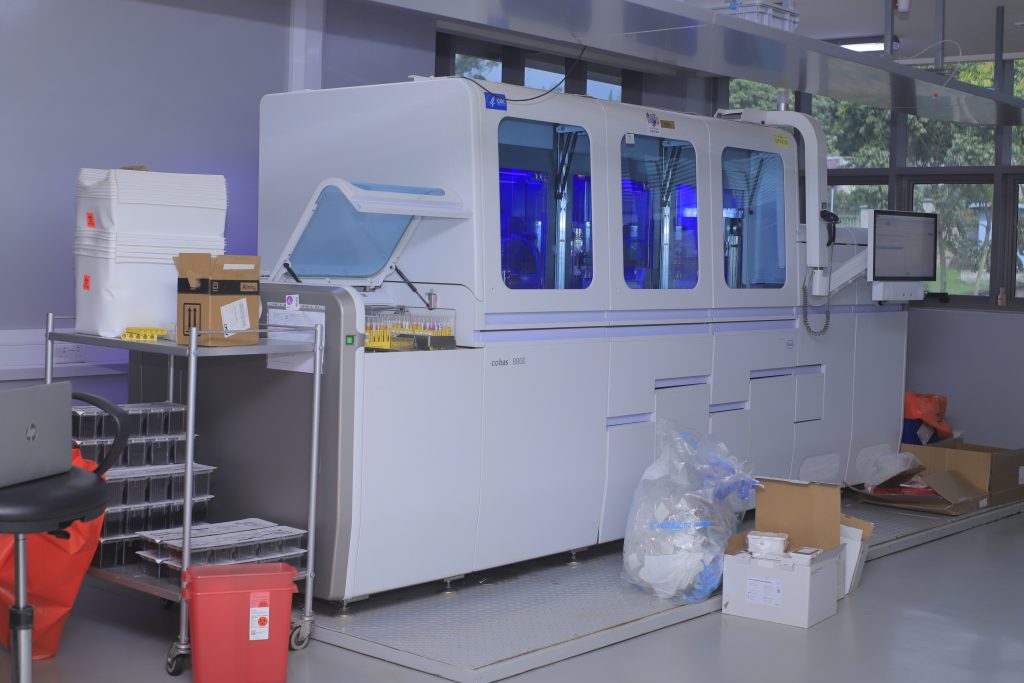
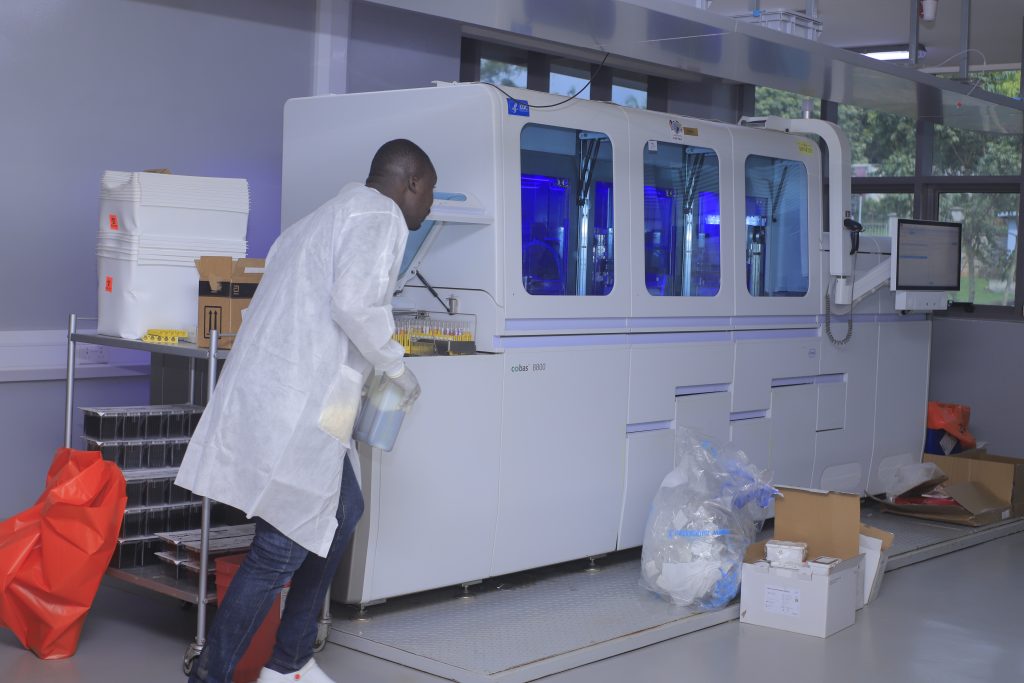
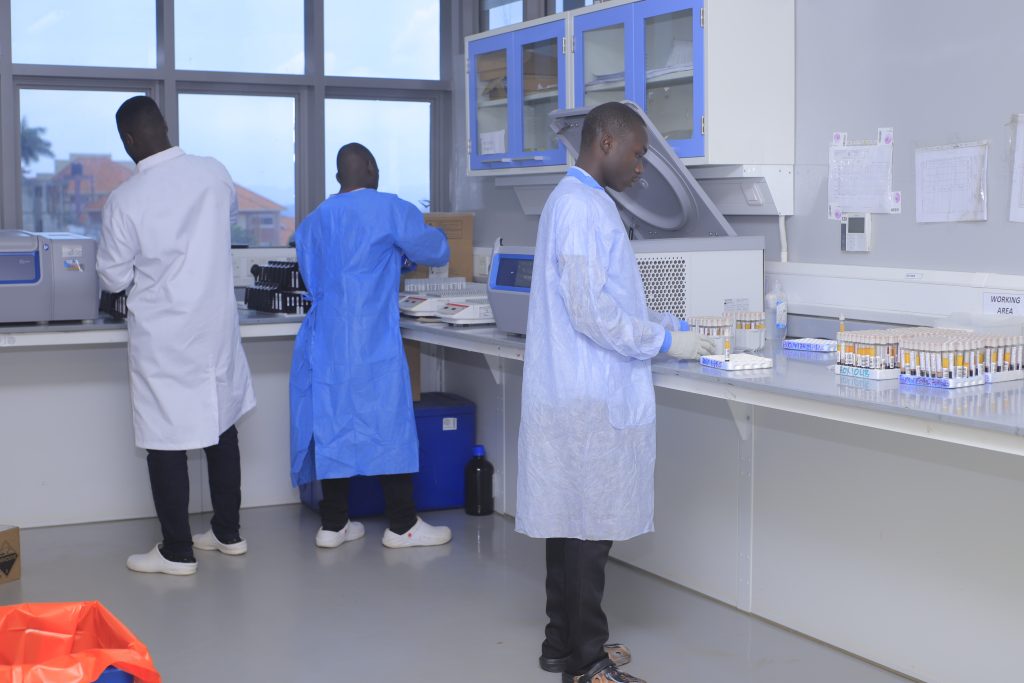
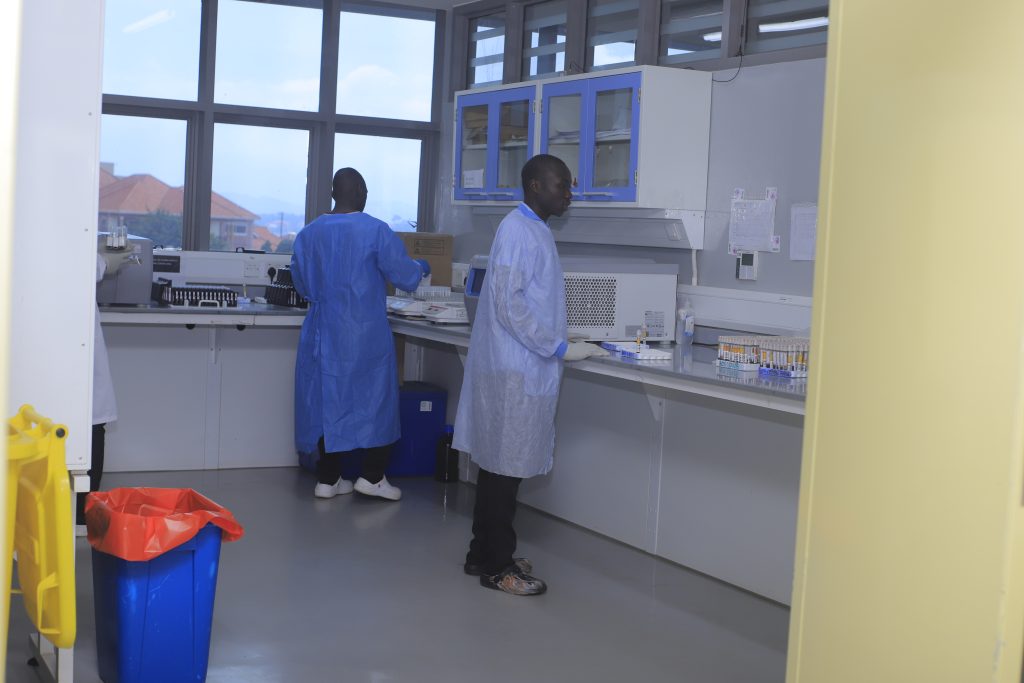
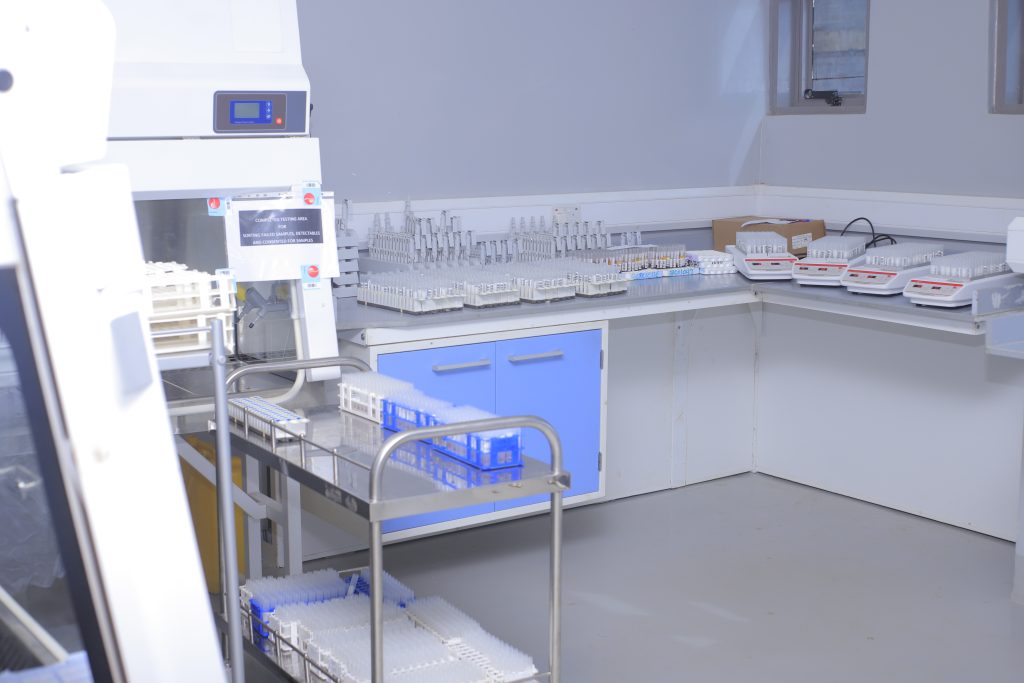
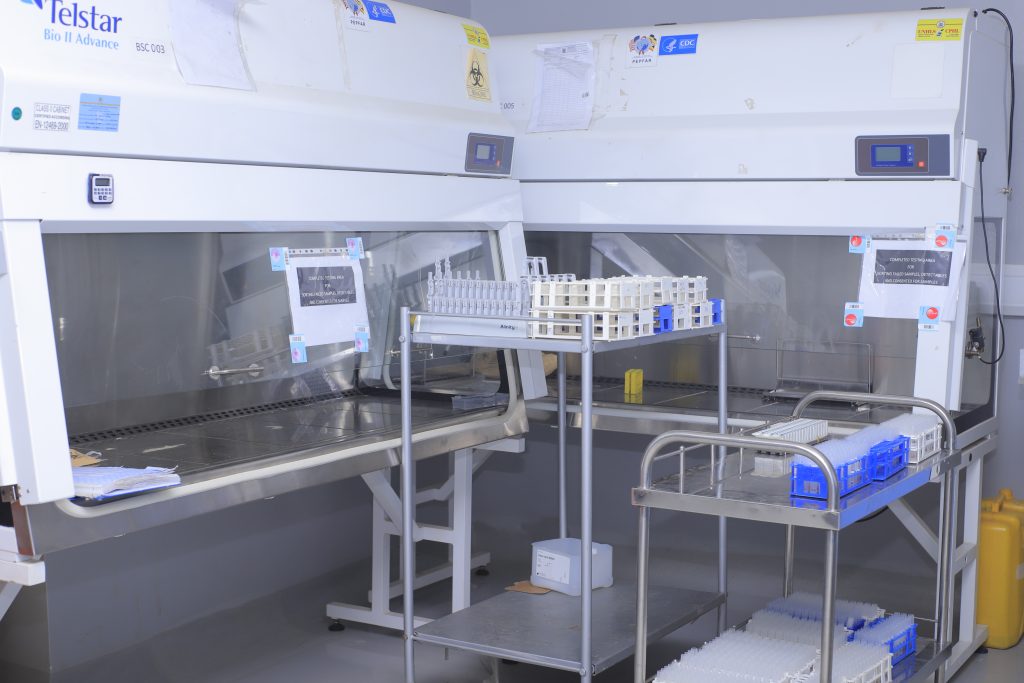
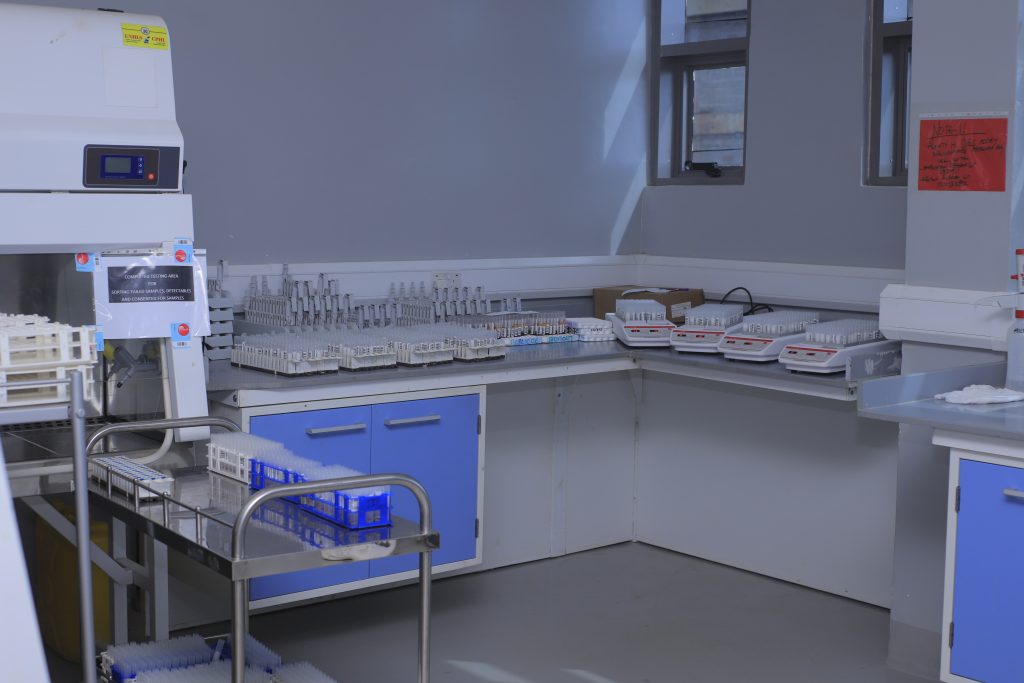
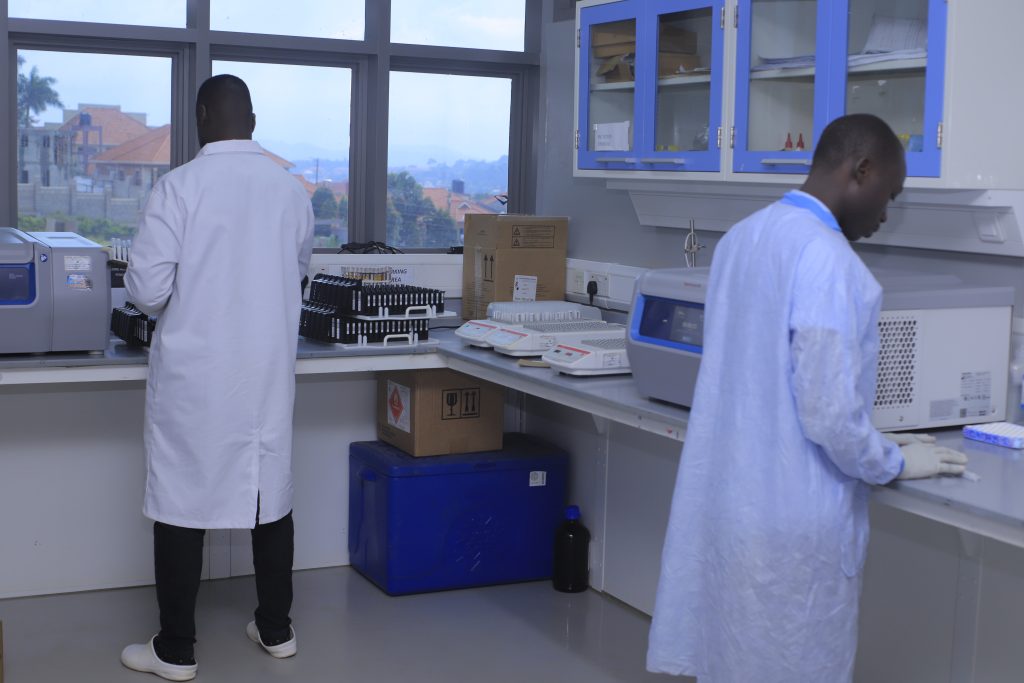
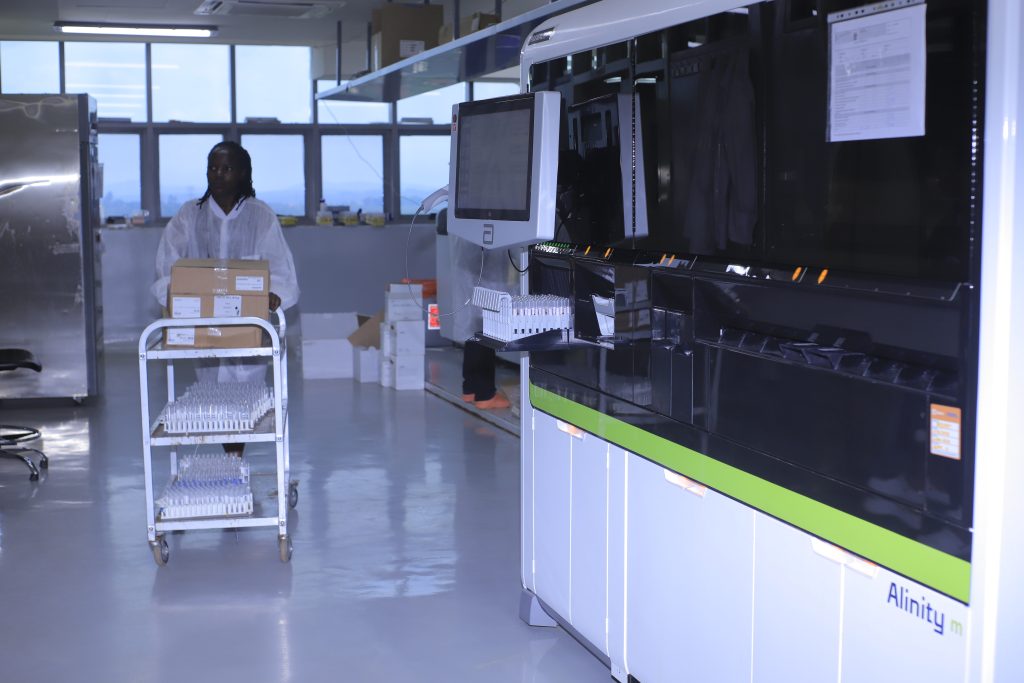
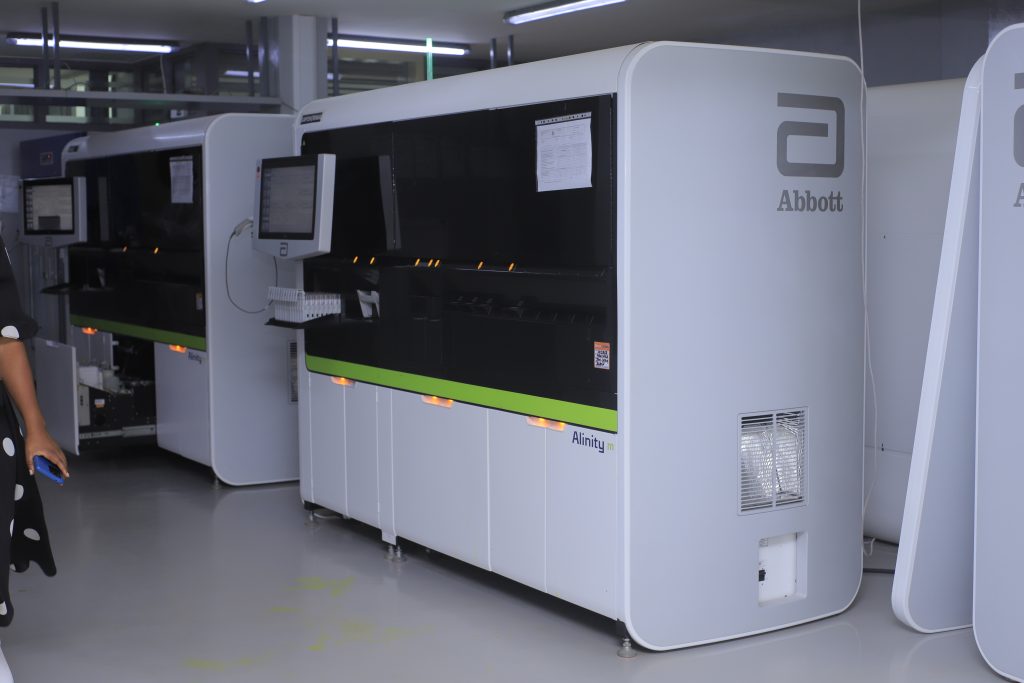
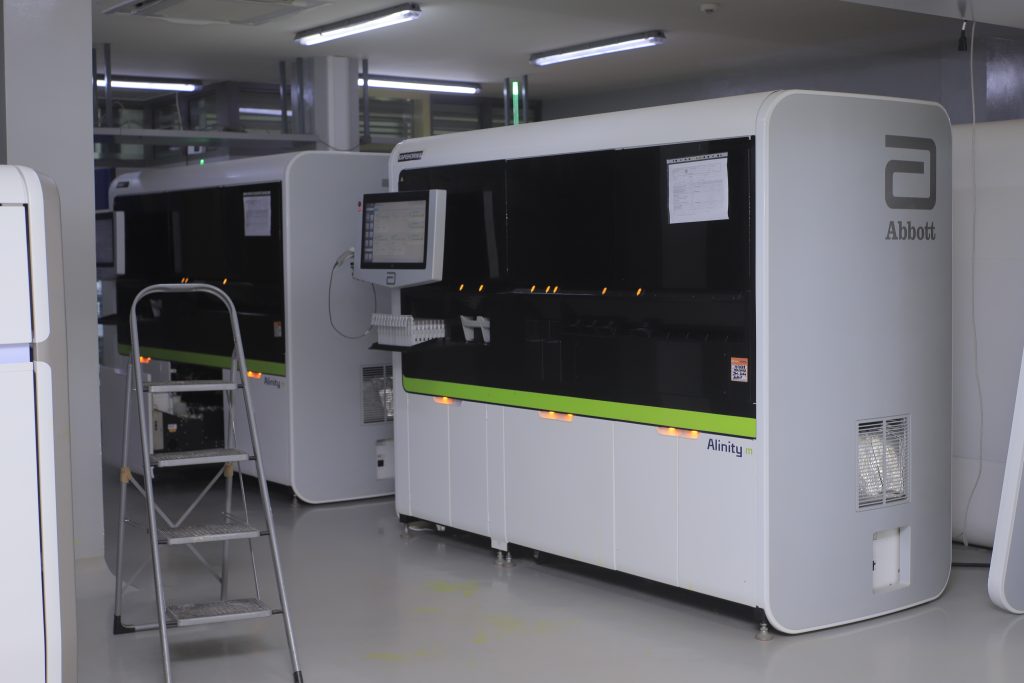
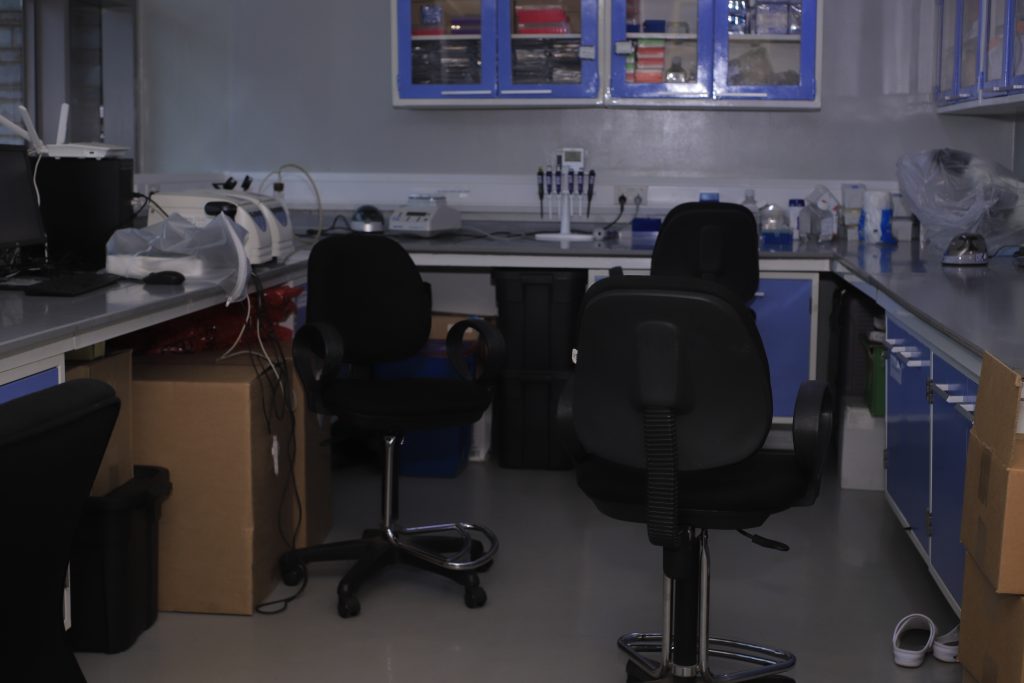
Uganda is making strides in the sector as it seeks to provide quality services to the citizenry. As part of efforts to achieve this, the government through the Ministry of Health has established three state-of-the-art Specialized Reference Laboratories under National Health Laboratory and Diagnostic Services (NHLDS).
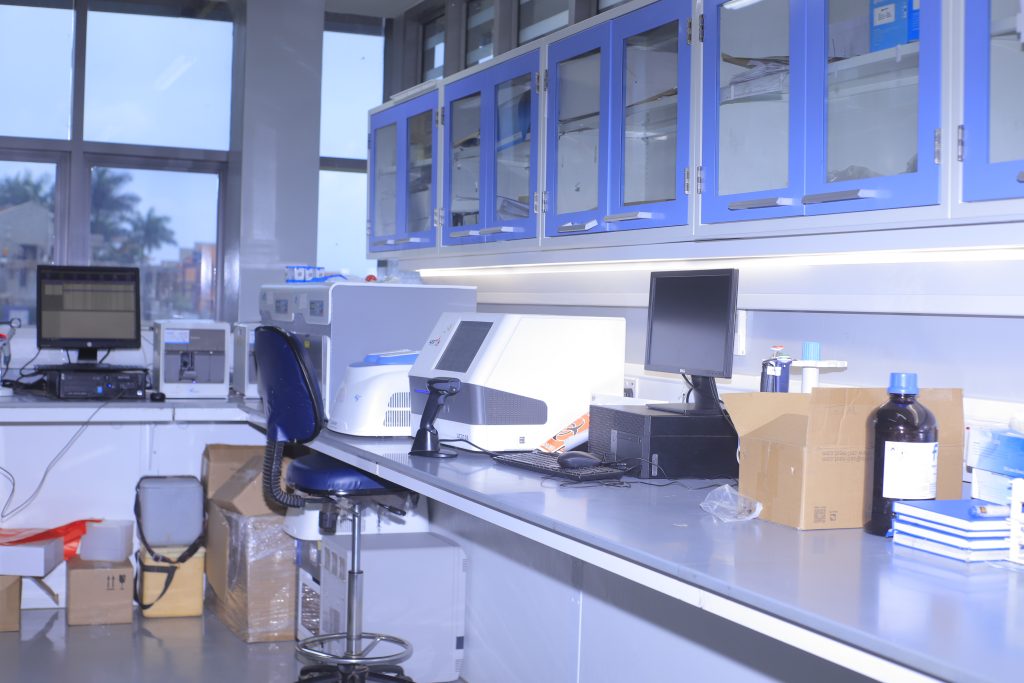
They are; The Central Public Health Laboratories (CPHL), the National Tuberculosis Reference Laboratory (NTRL) and National Microbiology Reference Laboratory (NMRL), all of which are accredited to International Standards, meaning that their results are trusted anywhere in the world.
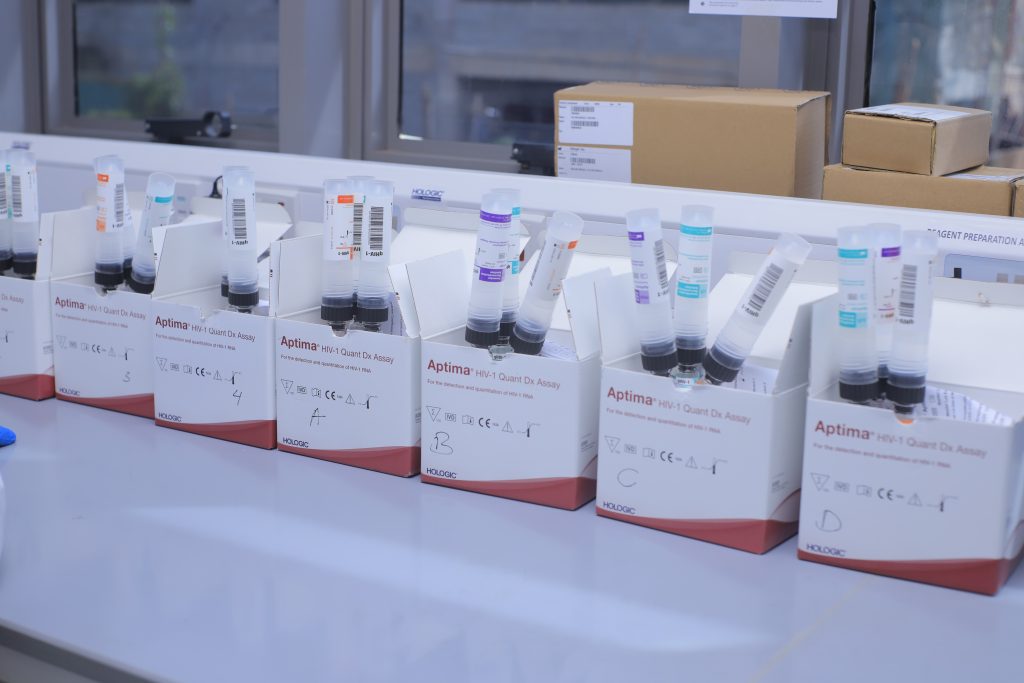
These reference Laboratories are supplemented by the Lab capacities in research institutes such as the Uganda Virus Research Institute (UVRI) Laboratory, Joint Clinical Research Centre (JCRC) and universities (Makerere, Mbarara, Gulu, etc) whenever need arises.
Major Capacities in the Reference Laboratories
The major Capacities of the National Health Laboratory Services are as follows: –
✓ Capacity to test for COVID-19 in Butabika, and with mobile Laboratories currently placed in Tororo, Adjumani Hospital (for Elegu border crossing), Mutukula and Mubende Regional Referral Hospital. Additionally, all the Regional Referral Hospitals have been equipped with GeneXpert machines which the department activates any time additional testing capacity is needed. These Laboratory has been the cornerstone in the Ministry’s strong response in the prevention, management and control of the ongoing COVID-19 by providing quality and real-time results for decision-making.
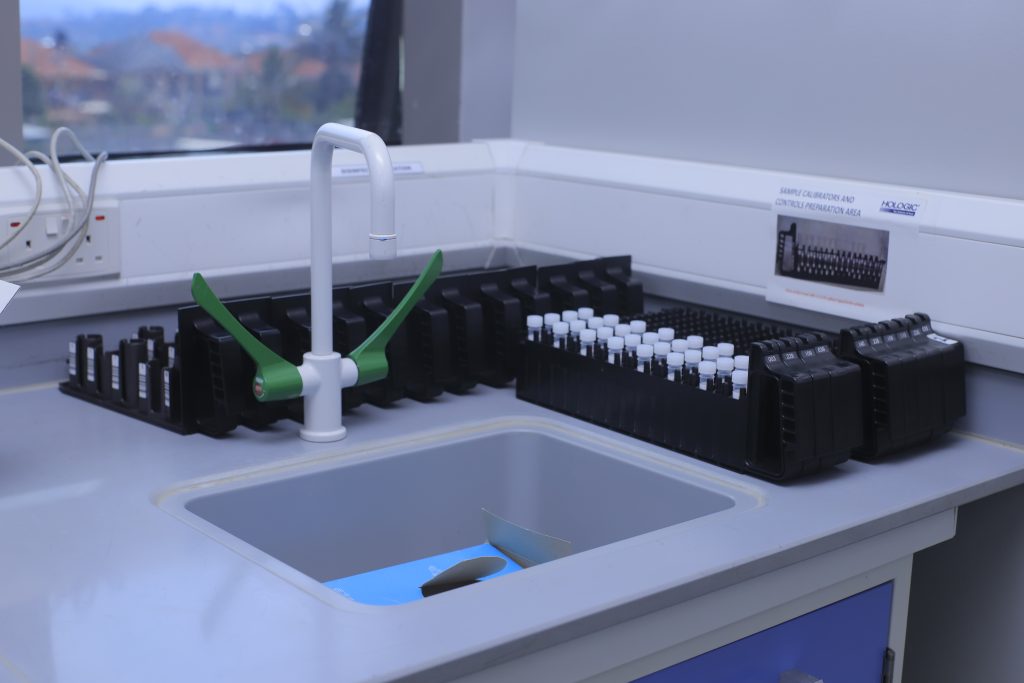
✓ Capacity of National TB Reference Laboratory (NTRL) to consistently provide surveillance and early detection of Multidrug Resistant Tuberculosis (MDR-TB) and Extremely Resistant TB (XDR-TB) to help in early detection and isolation of cases to prevent spread and protect life.
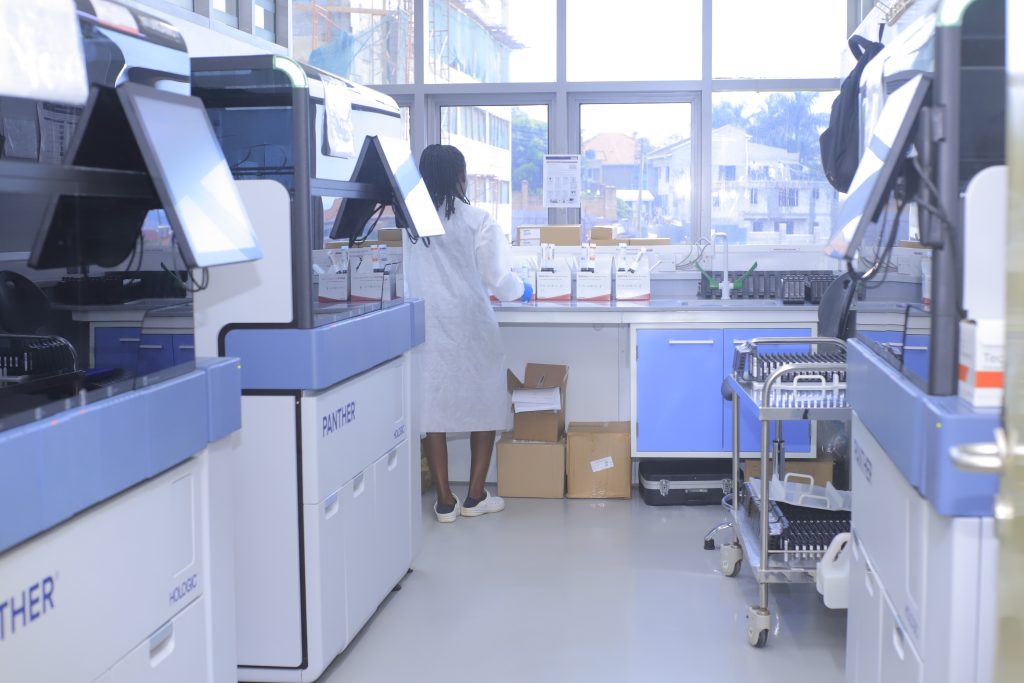
✓ Capacity to provide testing for diagnosis of HIV and Hepatitis B including Viral Load for up to 2.5 million tests every year thereby providing access door to life saving ARVs and treatment monitoring for people living with HIV/AIDS and Hepatitis B including babies and pregnant mothers.
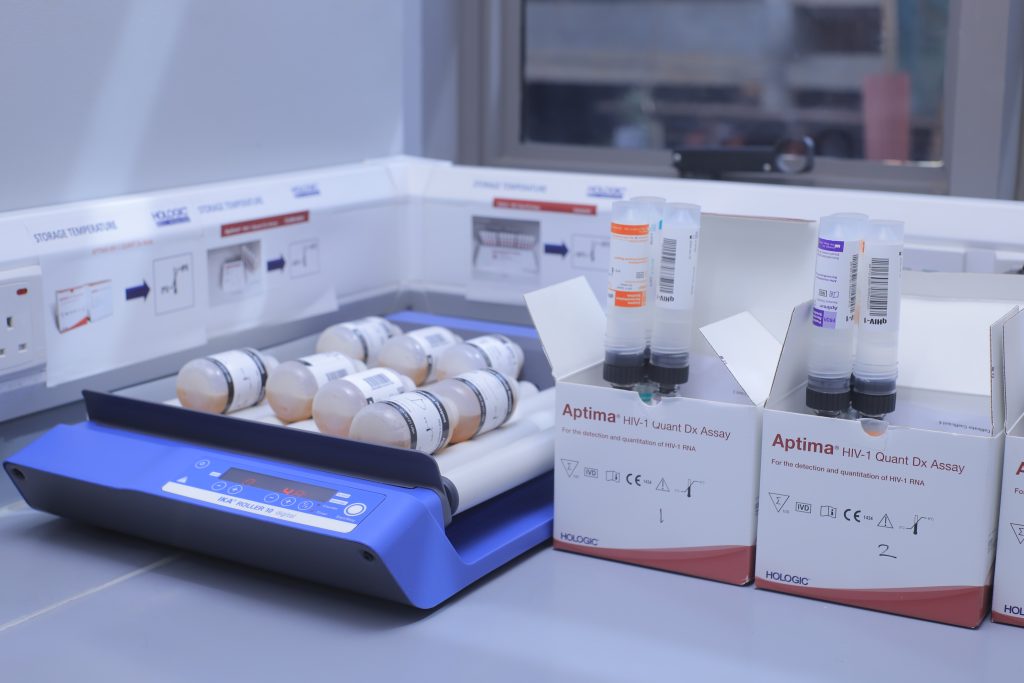
✓ Capacity for sickle cell disease confirmation, Heme Path Cancer Diagnosis and other non-communicable and lifestyle disease diagnosis.
✓ Capacity for routine diagnostic check-ups for functions of the Kidney, Liver, Heart and other vital organs of the body.
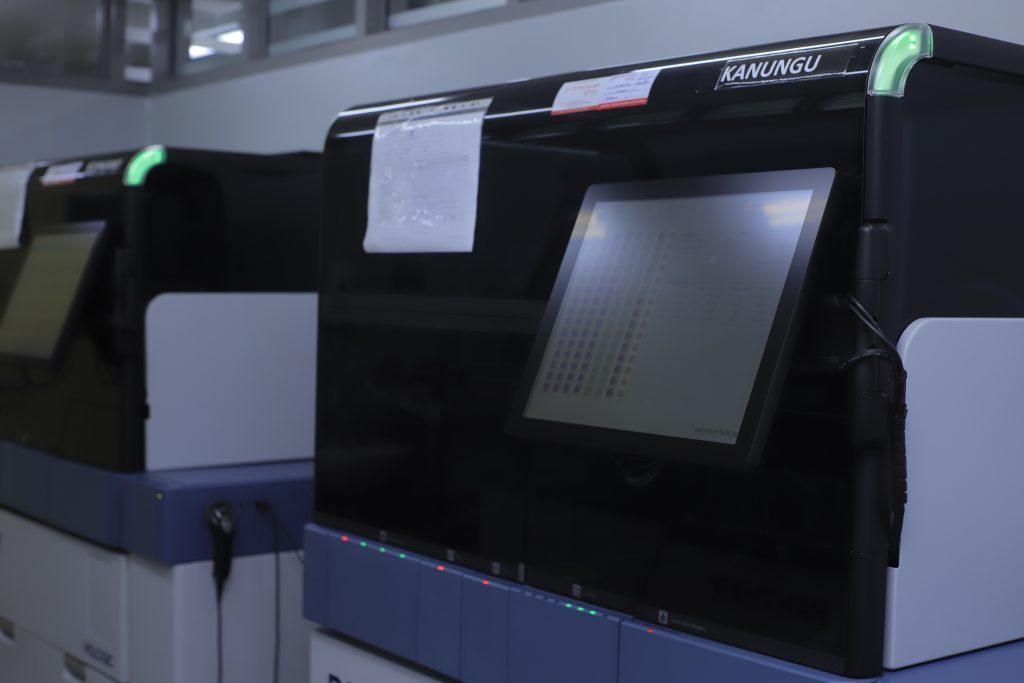
✓ Established the genomic Laboratories at the Central Public Health Laboratory (CPHL) and National Tuberculosis Reference Laboratory (NTRL) for routine surveillance of any genetic changes in disease–causing microorganisms that may result in being very dangerous (like resistance to treatments) or weaker and therefore milder.
✓ Capacity of the National Microbiology Reference Laboratory to carry out routine bacterial culture and sensitivity for Antimicrobial Resistance (AMR) surveillance.
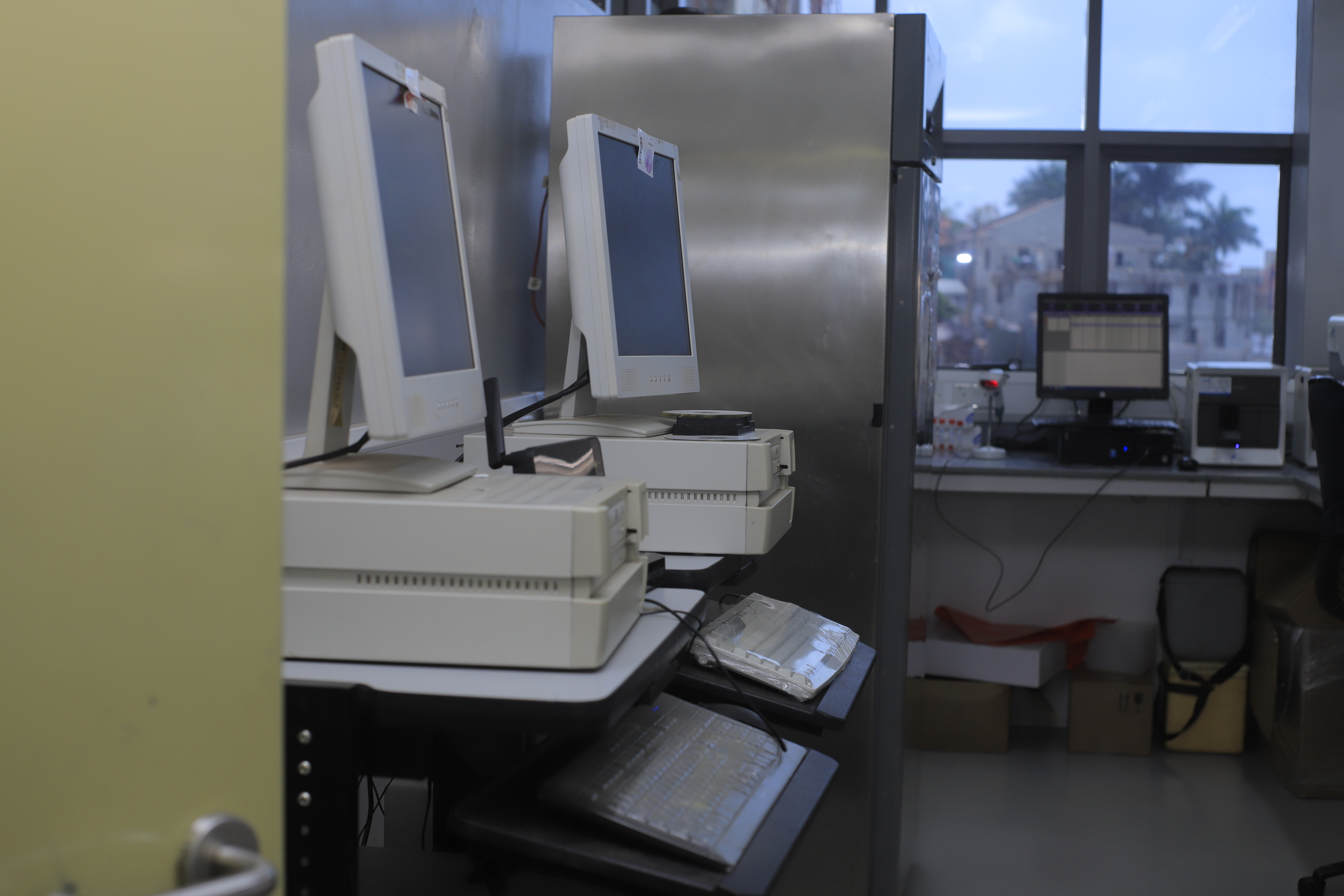
✓ Developed laboratory information management systems which is used at the in the refence Laboratories (CPHL and NTRL) to track patients’ samples and relay results to the Doctors. For example, the TB Lab information system tracks patient samples and rely results to MDR treatment sites in the country, which has greatly improved turn round time for TB culture and drug susceptibility results.
✓ The External Quality Assessment (EQA) Laboratory. The reference Laboratories at NHLDS produce Proficiency testing panels that are accredited to ISO Standards which are used to expertly control the quality of Laboratory diagnosis across the national health laboratory network.
✓ Equipment Calibration Centre. The NHLDS has an internationally accredited equipment calibration Centre that supports calibration and standardization of equipment in the whole Laboratory sub-sector in the country to ensure they provide accurate results.
✓ The Laboratory Department (through NTRL and CPHL) Supports 26 countries in Africa as part of the World Health Organization – given mandate, and has supported ISO 15189 accreditation of 11 National Reference laboratories in the region. This is marketing Uganda’s healthcare system internationally.

Ther Ministry of Health PS, Dr Diana Atwine, on Tuesday, commissioned the newly refurbished maternity ward at Butenga HC IV in Bukomansimbi District.
It was refurbished with support from Korean Foundation for International Health (KOFIH).

Additionally, KOFIH also supported the construction and equipping of the Surgical Ward, OPD and Emergency Unit Block.

Digital X-rays, ambulance and emergency care equipment and supplies have been procured to support health service delivery at Bukomansimbi District.
“Once we have buildings, equipment and health workers, patients will come and receive quality services,” Dr Atwine said during the ceremony.
She added, “All this capacity is enabling Butenga HCIV to handle referrals from Bukomansimbi, Masaka, Lwengo, Ssembabule and Kalungu and from as far as Gomba.”
https://x.com/DianaAtwine/status/1701522964896776336?s=20


-
 News11 months ago
FACTS ABOUT WORSHIP HARVEST: History, Growth, and Vision
-
 News11 months ago
EU Envoy Sadek Visits Phaneroo, Commends the Ministry’s Impact on Ugandan Youth
-
 News11 months ago
Vote for Continuity of Peace and Stability, First Lady Janet Museveni Urges Ugandans
-
 Environment4 years ago
What Can Christians Do About Climate Change?
-
News2 years ago
US Televangelist Benny Hinn reveals his ‘2 biggest regrets;’ Preaching Prosperity Gospel, False Prophecies