Connect with us

News

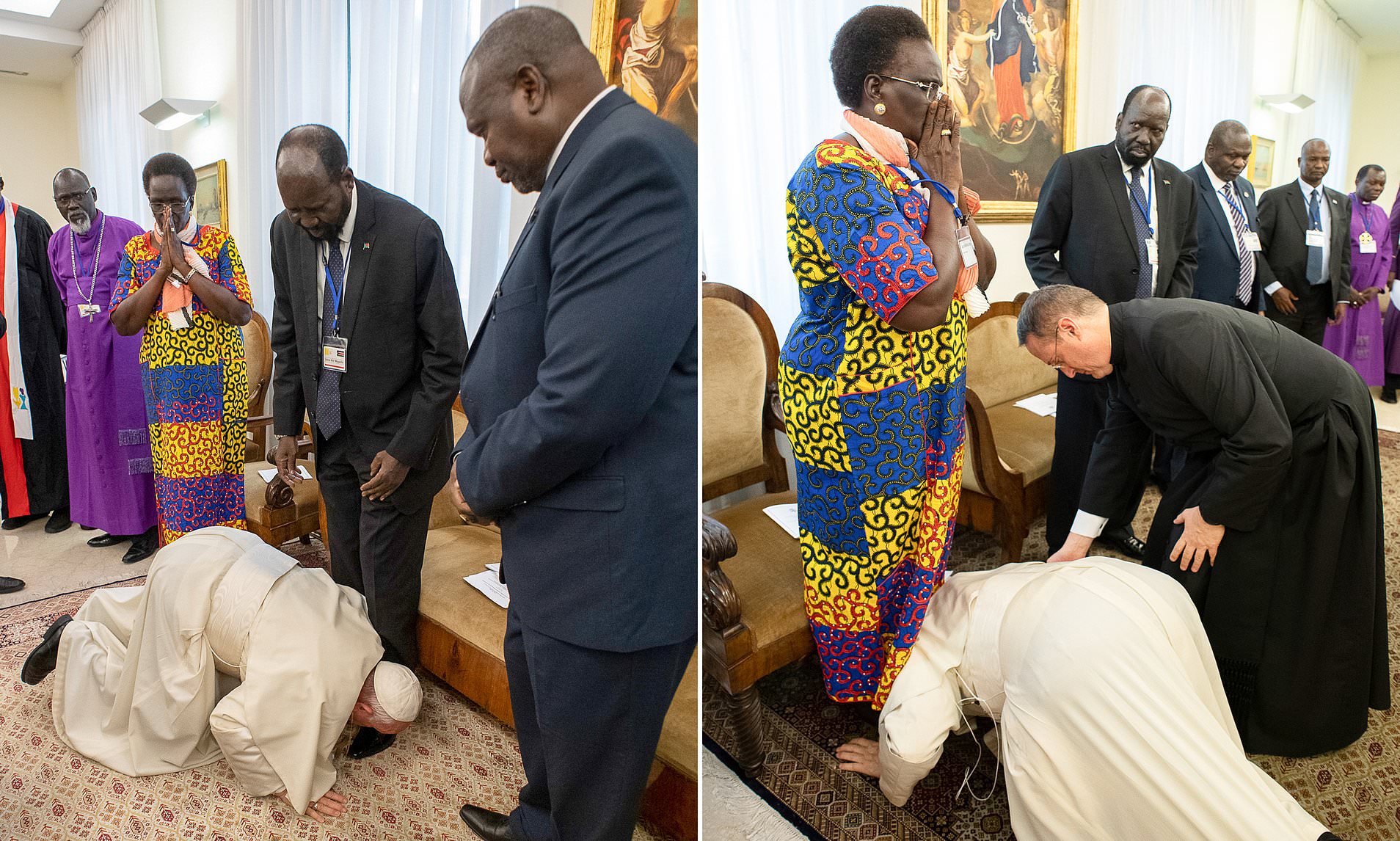
Pope Francis targets youth, political leaders for DRC, South Sudan February visit

Published

on

During his planned visit to the Democratic Republic of Congo (DRC) and South Sudan in February 2023, Pope Francis intends to be in dialogue with African Catholics – but also to listen to political leaders and young Africans.

This visit comes at a defining moment in what is regarded as a fairly progressive papacy.

Pope Francis has convened a worldwide consultation on the future of the Catholic church. This consultation, called a synodal process, began in 2021 and will conclude in 2024.

It is the most ambitious dialogue ever undertaken on bringing changes in Catholic beliefs and practices since the Second Vatican Council’s reforms in 1965. It is exciting for reform-minded Catholics, but distressing for conservative Catholics.

The ongoing synodal process has exposed the fault lines in modern Catholicism on the issues of women, celibacy, sexuality, marriage, clericalism and hierarchism. How Pope Francis – who marks a decade of his papacy this year – manages these increasingly divisive issues will, in my judgement, largely define his legacy.

My research has focused on how African Catholics can bring about a consensus approach in managing these contested issues.

The big questions for me are how another papal visit to Africa at this point will address the challenges and opportunities that Africans are identifying through the synodal process – and how this plays into the state of Catholicism in Africa.

The influence of African Catholicism

The Catholic church is witnessing its fastest growth in Africa (recent statistics show 2.1% growth between 2019 and 2020). Out of a global population of 1.36 billion Catholics, 236 million are African (20% of the total).

African Catholics are not simply growing in number. They are reinventing and reinterpreting Christianity. They are infusing it with new language and spiritual vibrancy through unique ways of worshipping God.

Given its expansion, the Catholic church in Africa is well placed to be a central driver of social, political and spiritual life. In many settings, the church provides a community of hope where the fabric of society is weak because of war, humanitarian disasters and disease.

The DRC, for instance, has the highest number of Catholic health facilities in Africa at 2,185. It is followed by Kenya with 1,092 and Nigeria with 524 facilities. Additionally, bishops have mobilised peaceful protests against violence in the DRC and Nigeria.

Another major feature of Catholicism on the continent is that it is witnessing a “youth bulge”. Central to Pope Francis’ advocacy for Africa is his appeal that churches, religious groups and governments show solidarity with young people. He calls them “the church of now”.

The pope expressed this most recently in November 2022 during a synodal consultation with African youth. He denounced the exploitation of Africa by external forces and its destruction by wars, ideologies of violence and policies that rob young people of their future.

Why DRC and South Sudan?

Pope Francis comes to Africa as part of the synodal consultation. He takes the message of a humble and merciful church to some of the most challenging parts of Africa: the DRC and South Sudan.

These two countries illustrate the impact of neo-liberal capitalism and the effects of slavery, colonialism and imperialism. Together, they have unleashed the most destructive economic, social and political upheaval in modern African history.


Read more: Conflict in the DRC: 5 articles that explain what’s gone wrong


Pope Francis is coming to listen especially to the poor, to young people and to women who have been violated in conflicts. He also hopes to address the hidden wounds of clerical sexual abuse in the church.

Pope Francis will see how war, dictatorship and ecological disasters have denied ordinary people access to land, labour and lodging. These are the “three Ls” he proposes as vital in giving agency to the poor.

Some opposition

Pope Francis will no doubt receive a warm welcome during his visit. Most African Catholics embrace his message of a poor and merciful church because it speaks to their challenges.

But there are many African Catholics, particularly high-ranking church leaders, who are yet to embrace this reform agenda. The previous two popes encouraged a centralising tendency, which promoted unquestioning loyalty to Rome by African bishops. As a result, these bishops resisted attempts by African theologians to modernise and Africanise Catholic beliefs and practices to meet local needs and circumstances.

This has led to some African bishops being uncomfortable with Pope Francis’ progressive agenda on liberation theology, openness to gay Catholics, condemnation of clerical privilege and power, and inclusion of women in mainstream leadership.

Rather than being a strong church that looks like Africa, some of the Catholic dioceses on the continent have embraced medieval traditions – like Roman rituals and Latin – that alienate ordinary African Catholics, especially young people.

Africa’s future role

Pope Francis has often spoken of giving Africa a voice in the church and in the world.

Many African Catholics wonder how this will happen when, for the first time in more than 30 years, there is just one African holding an important executive function at the Vatican. This is Archbishop Protase Rugambwa of Tanzania, the secretary of the Dicastery for the Evangelization of Peoples, a department at the Vatican’s central offices.

Many African Catholics hope that Pope Francis will announce some African appointments to the Vatican during his February 2023 visit.

They also are hoping he will create a pontifical commission for Africa, similar to the Latin American commission created in 1958. This will be a significant way of giving African Catholics a voice in the church of Rome.

Pope Francis hasn’t fully recovered from the health challenges that led to the cancellation of the trip last July. But he is making this trip because he believes that Africa matters.

Through the sessions that the pope will conduct with Africans, especially young people, it’s hoped that the Catholic church in Africa can help address the causes of war and suffering in the DRC and South Sudan, and the obstacles to reforming the church in Africa.

By Stan Chu Ilo

Research Professor , World Christianity and African Studies, DePaul University

Continue Reading
Click to comment

Leave a Reply

Your email address will not be published. Required fields are marked *

News

Pope Leo XIV appoints members of International Theological Commission

Published

on

By

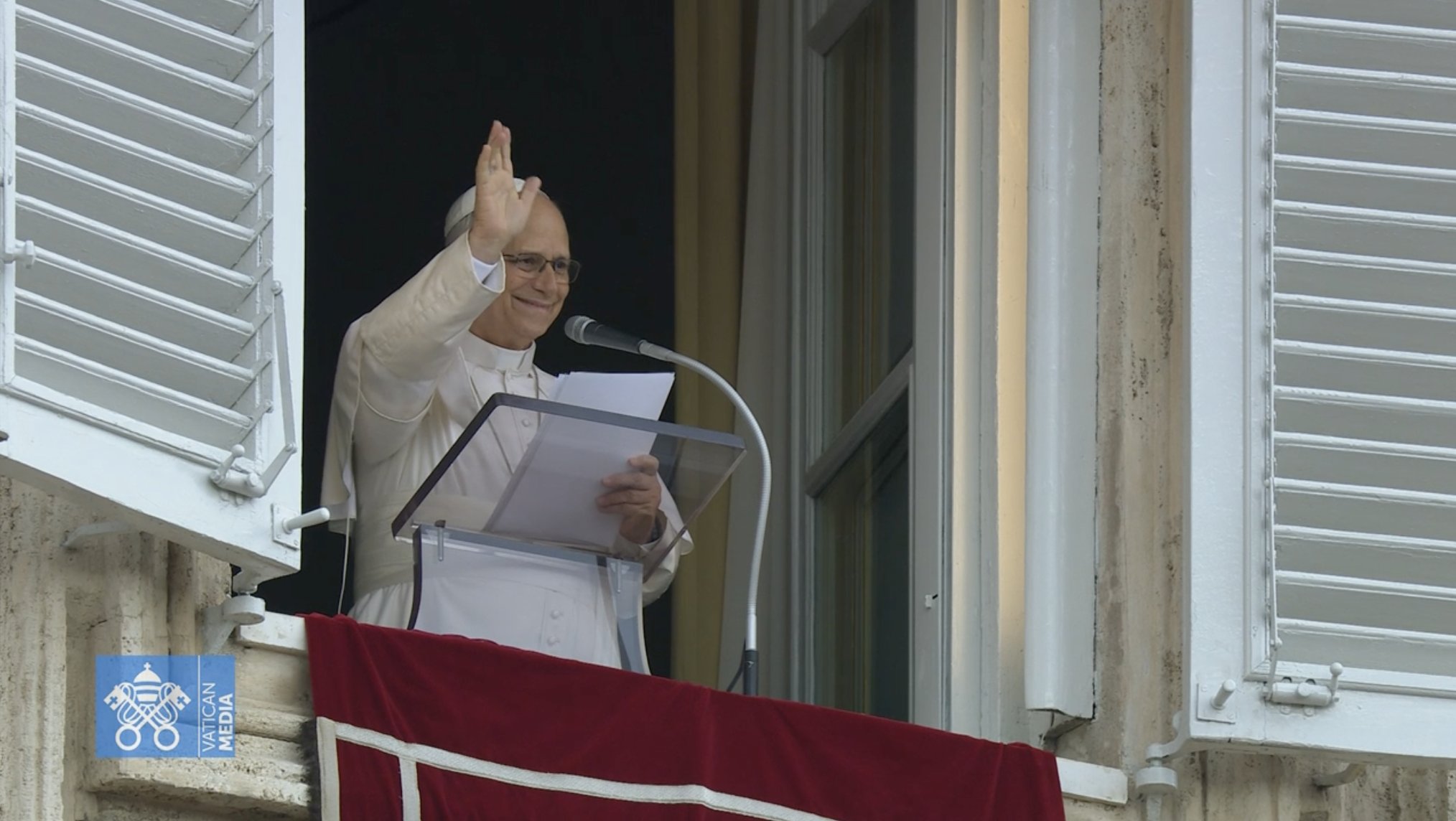
Pope Leo XIV

On Monday, Pope Leo XIV appointed 24 new members, confirming 6 others, including Msgr. Piero Coda for another five years as the Commission’s Secretary General.

The Commission bears the task of assisting the Holy See, particularly the Dicastery for the Doctrine of the Faith, in examining doctrinal questions of major importance and current relevance, bringing together theologians from different schools and nations.

As in the previous five years, the members also reflect a variety of ecclesial backgrounds, representing different states of life and religious charisms.

Increased lay representation

The number of women on the Commission has risen from five to eight, including five laywomen. Together with three laymen, they bring the total number of lay members to eight, double that of the previous term.

Europe accounts for 13 members, compared with 14 previously. Asia and Africa each have four representatives, up from three each, while South America has five, compared with four. North America retains three members, and Australia one.

The appointments mark the beginning of the Commission’s eleventh five-year term. Its customary plenary session is scheduled for November 23–27.

The Commission’s membership

The Holy See Press Office published the list of the Commission’s new members:

Monsignor Carlo Dell’Osso, Secretary of the Pontifical Institute of Christian Archaeology;

Monsignor Lubomír Žák, Full Professor at the Saints Cyril and Methodius Faculty of Theology of Palacký University Olomouc, Czechia;

Father Khaled Emmanuel Anatolios, Chair of the Department of Theology at the University of Notre Dame in South Bend, United States;

Father Ángel Cordovilla Pérez, Dean of the Faculty of Theology and the Faculty of Canon Law at Comillas Pontifical University in Madrid, Spain;

Father Tiago de Fraga Gomes, Professor at the School of Humanities of the Pontifical Catholic University of Rio Grande do Sul in Porto Alegre, Brazil;

Father Gilbert De Lima, Executive Secretary of the Commission for Theology and Doctrine of the Conference of Catholic Bishops of India;

Father Clarence Devadass, Director of the Catholic Research Centre in Kuala Lumpur, Malaysia;

Father Fabricio Leonel Forcat, Associate Professor at the Faculty of Theology of the Pontifical Catholic University of Argentina in Buenos Aires, Argentina;

Father Julián Arturo López Amozurrutia, Dean of the Faculty of Theology of the Pontifical University of Mexico;

Father Gaston Ogui Cossi, Dean of the Bobo-Dioulasso University Unit of the Catholic University of West Africa, Benin;

Father Csaba Török, Associate Professor at Esztergom Theological College, affiliated with the Faculty of Theology of Pázmány Péter Catholic University, Hungary;

Father Paul Béré, S.J., Dean of the Biblical Faculty of the Pontifical Biblical Institute of the Pontifical Gregorian University in Rome, Italy;

Father Michel Fédou, S.J., Professor Emeritus of the Faculty of Theology at Facultés Loyola Paris, France;

Father Bernhard Knorn, S.J., Full Professor at Sankt Georgen Graduate School of Philosophy and Theology in Frankfurt am Main, Germany;

Father Patrick Mwania, C.S.Sp., Vice Chancellor of Tangaza University in Nairobi, Kenya;

Father Jorge Alejandro Scampini, O.P., Full Professor at the Faculty of Theology of the Pontifical Catholic University of Argentina in Buenos Aires, Argentina;

Sister Shu Chin (Maria Teresa) Hu, F.I., Extraordinary Professor at the Fu Jen Faculty of Theology of Saint Robert Bellarmine in Taipei, Taiwan;

Professor Teresa Hyeon Soon Choi, Associate Professor at the Institute for Whole Person Education Center of Sogang University in Seoul, South Korea;

Professor Boyd Taylor Coolman, Associate Professor in the Theology Department at Boston College in Chestnut Hill, United States;

Professor Maria Teresa Fattori, Researcher at the University of Teramo, Italy;

Professor Claudia Leal Luna, Full Professor at the Pontifical John Paul II Theological Institute for Marriage and Family Sciences in Rome, Italy;

Professor Sara Parvis, Associate Professor at the School of Divinity of the University of Edinburgh, Scotland, United Kingdom;

Professor Jan-Heiner Tück, Head of the Department of Dogmatic Theology and the History of Dogma at the University of Vienna, Austria;

Professor Anne-Sophie Vivier-Muresan, Dean of the Faculty of Theology at the Catholic Institute of Paris, France.

The full list also includes the six members confirmed for another five-year term: Msgr. Piero Coda, Secretary General; Father Alberto Cozzi; Father Simon Francis Gaine; Professor Reinhard Huetter; Sister Isabell Naumann; and Sister Josee Ngalula.

Serving the Church’s doctrinal work

Pope Paul VI established the International Theological Commission in 1969 within the then-Congregation for the Doctrine of the Faith, now the Dicastery.

The Commission brings together theologians from different schools and nations, distinguished by their scholarship and fidelity to the Church’s Magisterium.

Its members, numbering no more than 30, are appointed by the Pope for five-year terms, following a proposal by the Dicastery’s Prefect and consultation with Bishops’ Conferences.

The results of its studies are submitted to the Pope and made available to the Dicastery for its work.

Pope John Paul II promulgated the Commission’s definitive statutes in 1982.

Over the course of its history, the Commission has published 33 documents with the approval of its president, the Prefect of the Dicastery for the Doctrine of the Faith.

Continue Reading

News

Fr Ssekabira Accused of Shs500m Money Laundering Remanded

Published

on

By

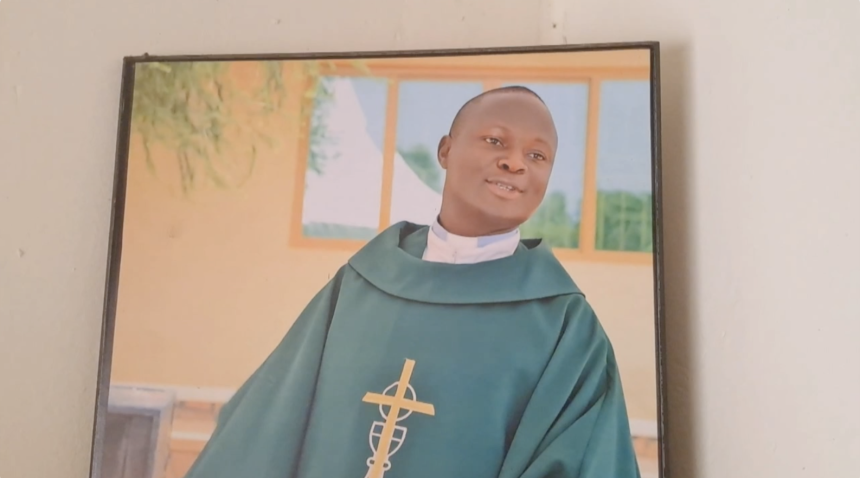
Rev. Fr. Deusdedit Ssekabira, a Catholic priest who had been detained for weeks following his arrest by Uganda Peoples’ Defence Forces (UPDF) soldiers in Masaka District earlier this month, has appeared before the Masaka Magistrate’s Court for the first time.

However, the presiding magistrate, Abdallah Kayiza, remanded Fr. Ssekabira until January 21, 2026, after ruling that the court lacks jurisdiction to hear the money laundering case.

Fr. Ssekabira is accused of money laundering, with prosecutors alleging that he concealed Shs500 million, which the state claims he knew or suspected to be proceeds of crime. The charge is brought under provisions of the Anti-Money Laundering Act.

Court documents indicate that the alleged offence relates to financial transactions carried out over a period spanning several years, though details of the prosecution’s evidence were not presented during the brief appearance, as the court did not take plea.

The priest’s court appearance comes after weeks of public uncertainty over his whereabouts. Early this month, reports circulated on social media claiming he had been abducted by armed men believed to be soldiers. The Uganda Police Force later said it was verifying the reports.

Subsequently, the UPDF confirmed that Fr. Ssekabira was in lawful custody, stating that he had been arrested over alleged involvement in what the military described as “violent subversive activities against the state.” The military did not initially disclose that he would face financial crime charges.

Fr. Ssekabira will remain on remand as the state prepares to take the case to a court with competent jurisdiction to hear money laundering offences. There was no immediate comment from his lawyers or from the Catholic Church following the court session.

Continue Reading

News

American Missionary Dies in Kampala Train Accident

Published

on

By

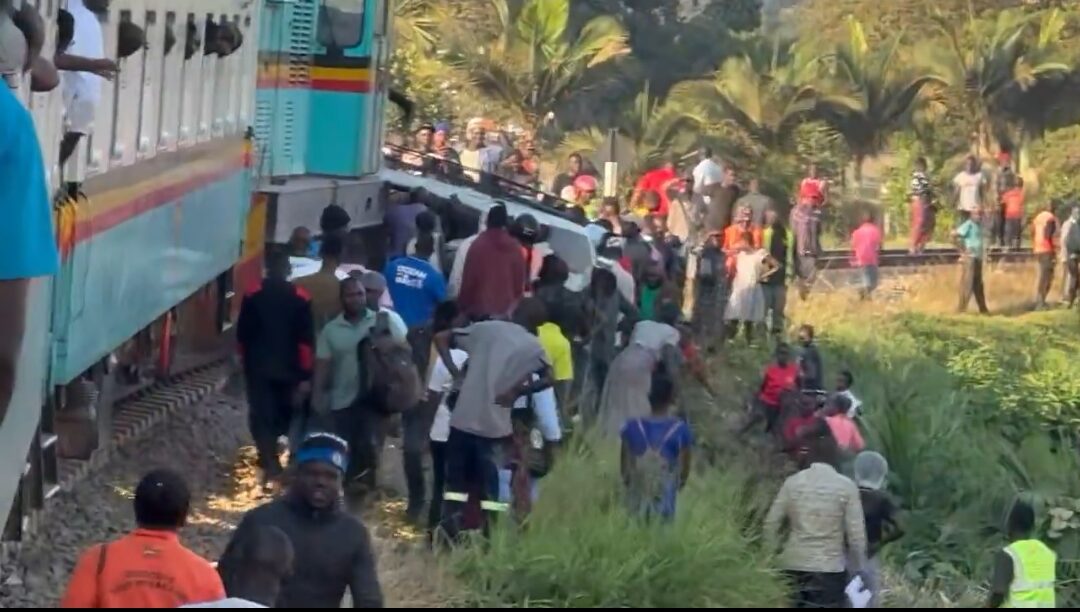
A tragic train–vehicle collision at the Wankoko level crossing in Bugolobi has claimed the life of an American missionary, Savannah Gardner, Ugandan authorities have confirmed.

According to a statement issued by Uganda Railways Corporation (URC), the accident occurred on the evening of Friday, December 19, at about 5:37pm, involving a commuter train travelling from Kampala to Namanve and a private motor vehicle, a Mitsubishi Pajero, registration number UBF 582X.

URC said the level crossing was manned by both Railway Police and URC staff at the time, and traffic on all approaches had been halted to allow the train to pass. Preliminary reports indicate that the vehicle attempted to cross the railway line, resulting in a collision with the oncoming train.

Savannah Gardner died at the scene. Her husband, Matthew Gardner, sustained internal injuries and is currently receiving treatment in hospital. Their two young children, Jedidiah (4) and Mason (1), were not injured.

The Gardner family are missionaries serving in Uganda under Baptist International Missions, Inc. (BIMI). A prayer appeal shared by fellow missionaries said Savannah “went to Heaven instantly,” while noting that Matthew remains hospitalised but in stable condition.

URC said it has launched internal investigations and is cooperating fully with the Uganda Police Force to establish the exact circumstances surrounding the incident.

“Our heartfelt condolences go out to the family of the late Savannah Gardner,” URC said in its statement, while urging all road users to exercise extreme caution when approaching railway crossings.

The incident has renewed public attention on road and rail safety in Kampala, particularly at level crossings along busy urban routes.

Continue Reading

Trending

Copyright © 2017 Zox News Theme. Theme by MVP Themes, powered by WordPress.

Exit mobile version