
Health
Q&A: Health Ministry PS Dr. Atwine Responds to Questions On Ebola & COVID19

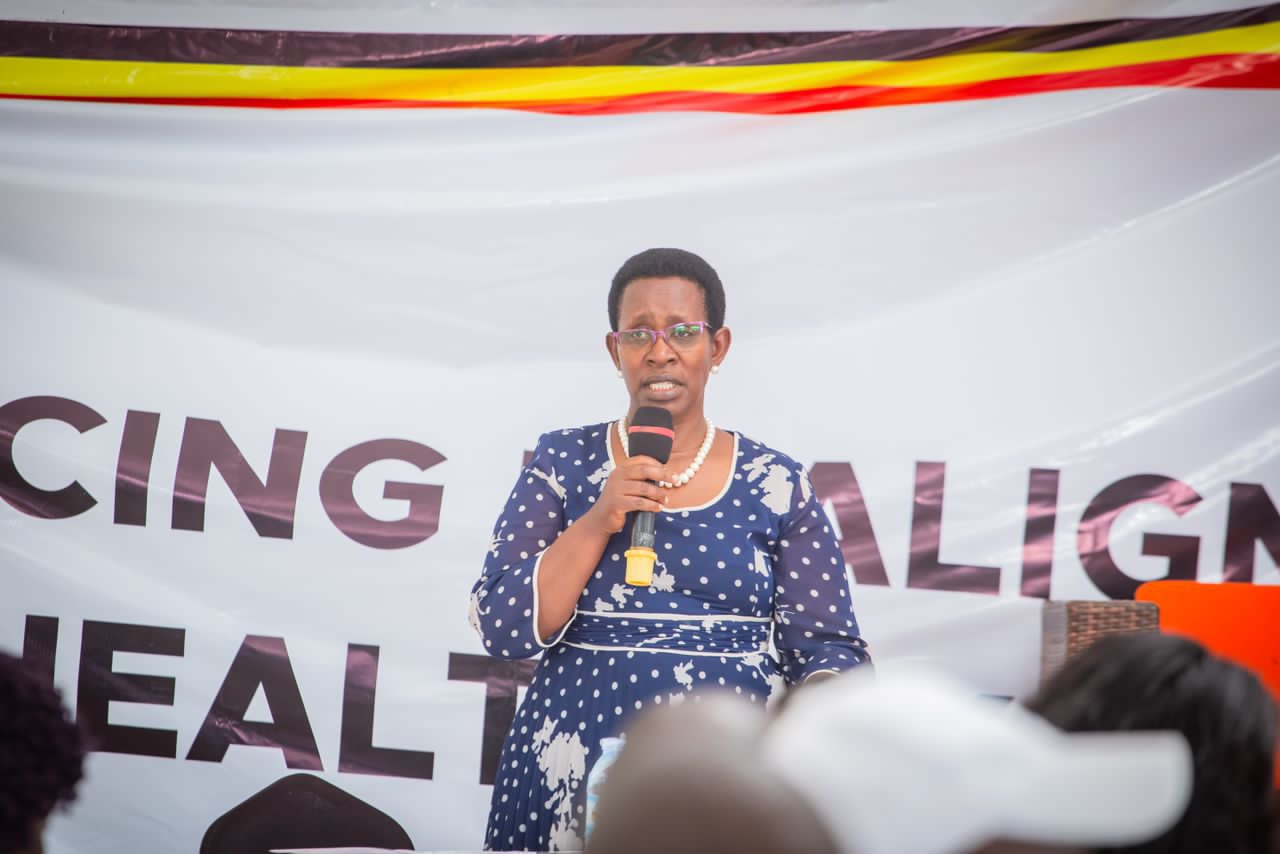
On Thursday, Uganda’s Health Ministry Permanent Secretary, Dr. Diana Atwine took to microblogging site Twitter, to answer questions on ebola and COVID19. The country is dealing with an ebola outbreak.
Below is the excerpt from the question and answer.
Qn: Difference between Ebola and COVID19.
Answer: Unlike COVID19, Ebola virus disease is not an airborne infection. Ebola spreads through physical contact with a person who has Ebola or a dead body of a person that has died of ebola.
Qn: What do i do if I have Ebola symptoms?
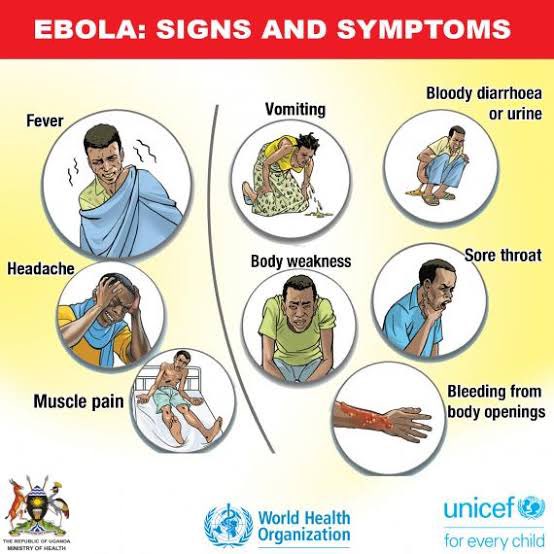
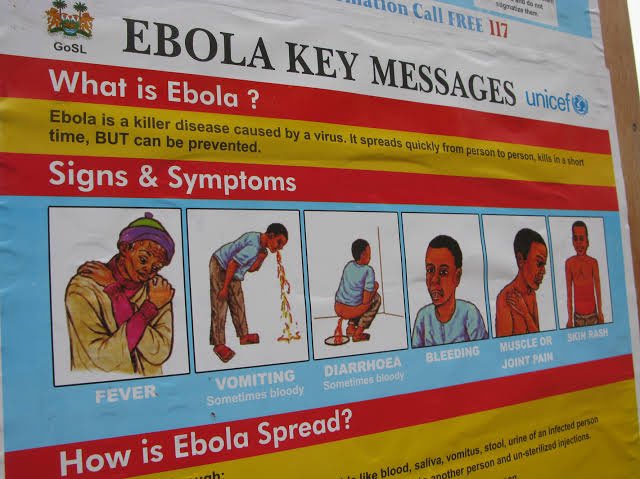
Answer: Anyone with fever, headache, fatigue, chest pains, chills, difficulty in breathing, stomach pain, diarrhea, nausea, should call 0800100066 for screening. Later, ebola patients may develop bloody diarrhea, vomiting & coughing.
Qn: What has been done for some Ebola patients to recover yet survival rate is too low?
Answer: For the patients that have recovered, their magic bullet was that they came to us early or we got notified, tested them, confirmed & started them on treatment. Originally, the causes of increase of cases in Mubende, Kassanda was denial by many when they were suspected or even confirmed as sick or contacts. They would just run away and many patients would come out when they have deteriorated or exposed other people.
Many Ebola patients believed it was witchcraft and ran to witch doctors instead of medical doctors. They only came out to seek medical treatment when it was late to save them, and many had infected others in their communities.
Qn: Whats your general advise about prevention?
Ans: Basically, Lack of adherence to guidelines when we have such an outbreak is a major problem. When you have symptoms, just call 0800100066 for screening. Dont come to facility as you increases risk of spreading if your sick.
Qn: What do i do if i learn that i am a contact to an Ebola Patient?
Ans: If contact, contact us to screen and test you. Even if tested negative, must be isolated for 3 weeks to be sure they are safe. This is to rule out the possibility that one was still undergoing incubation.
Qn: Are Children less affected by Ebola like it is with COVID19.
Ans: Unlike COVID19, both children and elders are equally affected with Ebola. Actually children are more vulnerable because they have a low immunity yet Ebola is a very violent virus.
Qn: Is gov’t well prepared to manage this pandemic?
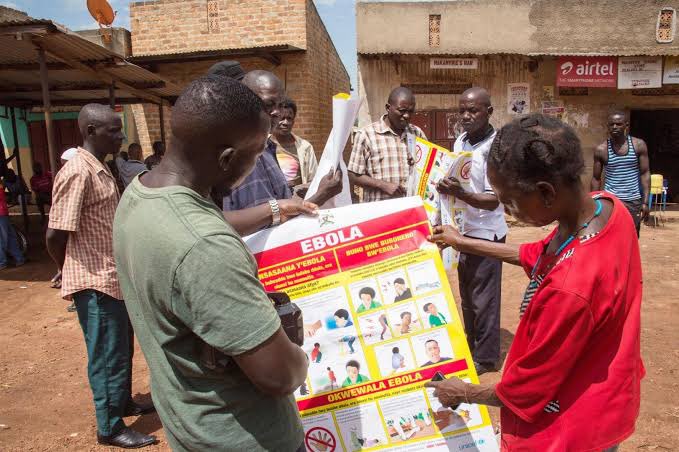
Ans: However prepared, it will not achieve the best until everyone is individually responsible. Contacts of cases must cooperate with us and accept the inconveniences instead of hiding. Corporate World, business owners and all institutions should also wake up as there’s heavy activity going on. They should train their workers and equip them with requirements and environment for following SOPs and guidelines for Ebola prevention.
Recently we have seen some organizations like @KampalaSheraton and some schools organizing education sessions for their workers on how to prevent or manage Ebola. We applaud these ones for caring about the safety of their workers and clients.

Ensure that all visitors or clients at your workplace or home sanitize or wash their hands with soap and water as they approach your premises. Where possible, a temperature gun (Costs btn 50 to 100k) to check out for high fever.
Qn: How should Health Workers to protect themselves.
Ans: Health workers should look out for symptoms for Ebola as they handle patients and do professional screening and assessment. They should put on gloves when attending to any patients.
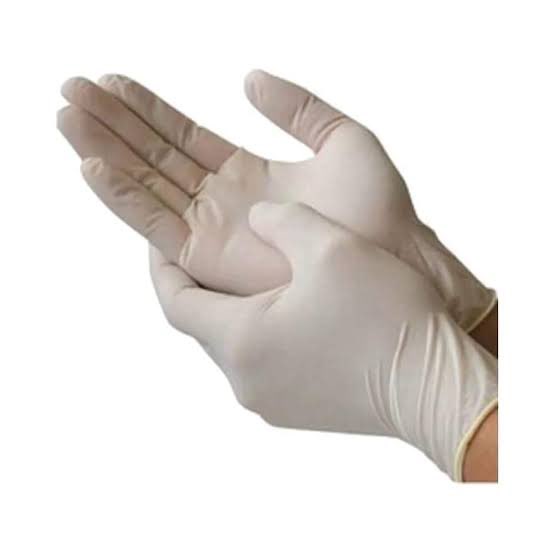
Gloves should be used once to avoid possible cross transmission from patient A to patient B. If conditions cannot allow to use a pair of gloves per patient, use available solution to disinfect gloves before touching patient B. This is about vigilance and extra protection.


The recent flag-off of 116 ambulance vehicles by the Ministry of Health signifies not just an augmentation of emergency medical resources but a remarkable shift in Uganda’s healthcare landscape. This initiative, led by Dr. Diana Atwine, the Permanent Secretary, highlights a concerted effort to transform the country’s emergency response system, evolving from basic transport vans to equipped, life-saving ambulances.
Dr. Atwine’s announcement regarding the transition is significant. By 2016, Uganda possessed 173 Type A Road Ambulance Vehicles, serving merely as patient transport vans with minimal emergency care capabilities. However, the country has now surged ahead, boasting 187 Type B Road Ambulance Vehicles equipped with Basic Life Support tools, 4 Type C Road Ambulance Vehicles with Advanced Life Support equipment, 11 Type B Boat Ambulances, and 3 Type C Boat Ambulances. This stark evolution underlines the government’s commitment to phasing out outdated ambulance models and replacing them with advanced, fully-equipped vehicles.

The shift is a testament to Uganda’s dedication to enhancing emergency medical services. The shift from basic vehicles without standard equipment to advanced ambulances equipped with life-saving tools signifies a conscious effort to prioritize the well-being of citizens during emergencies. It’s a leap from mere transportation to providing critical care on the move.
Dr. Atwine’s vision, aiming for a fully operational National Ambulance Service by FY 2025/26, reflects the government’s forward-looking approach. The significance of this milestone extends beyond the numbers; it represents a comprehensive strategy to address emergency medical needs, aligning with global standards of care and response.
The inclusion of boats as ambulance vehicles also underscores a holistic approach to addressing emergencies, particularly in regions accessible only by waterways. This diversification of resources demonstrates a nuanced understanding of Uganda’s geographic diversity and a commitment to ensuring emergency care reaches even the most remote areas.
As Uganda moves towards this new era in emergency medical services, the focus remains on efficient utilization and adherence to stringent guidelines for ambulance usage. Dr. Atwine’s emphasis on proper management and utilization, including trained personnel and approved protocols for ambulance dispatch, signifies a holistic approach to maximizing the impact of these life-saving resources.
The shift from basic transport to advanced care within the ambulance fleet is not just a numerical upgrade; it’s a paradigm shift towards ensuring that every Ugandan, regardless of location or circumstance, has access to critical and timely medical care during emergencies.

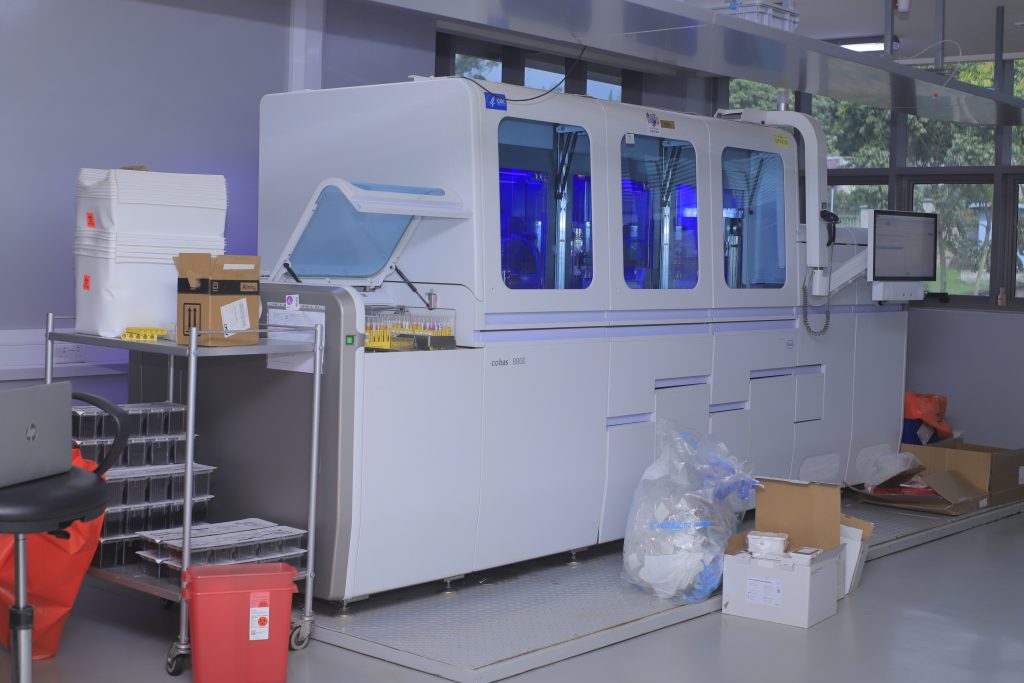
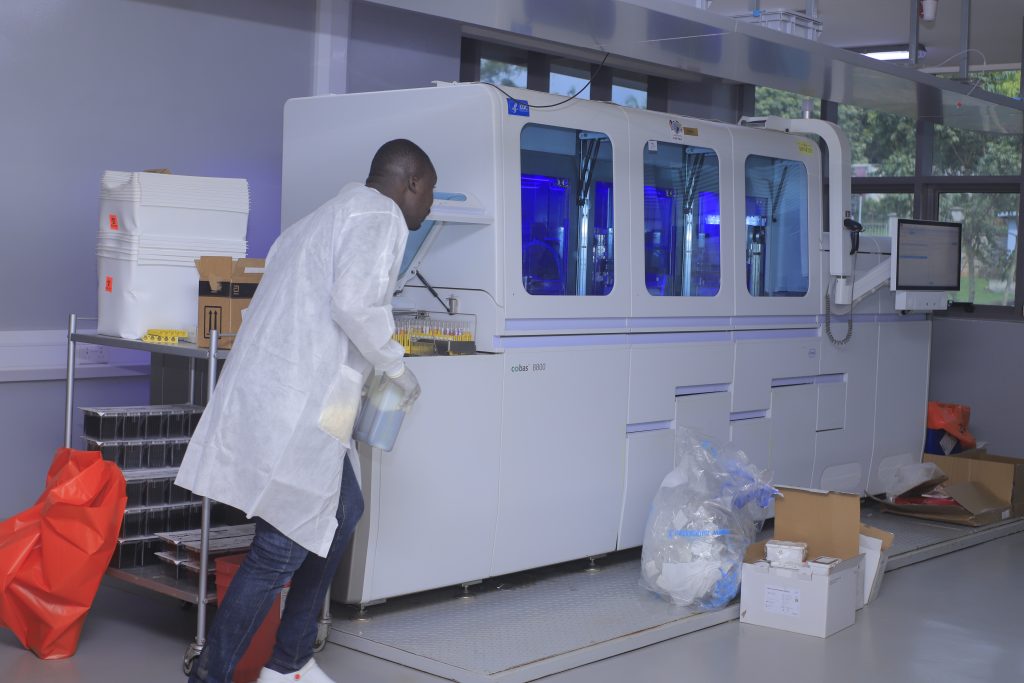
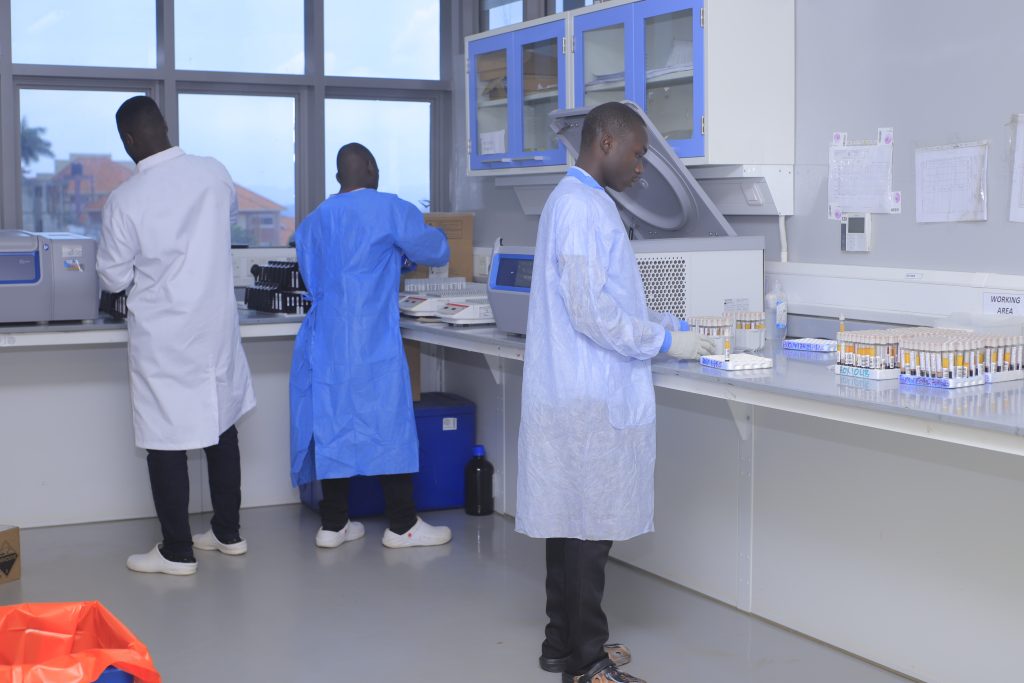
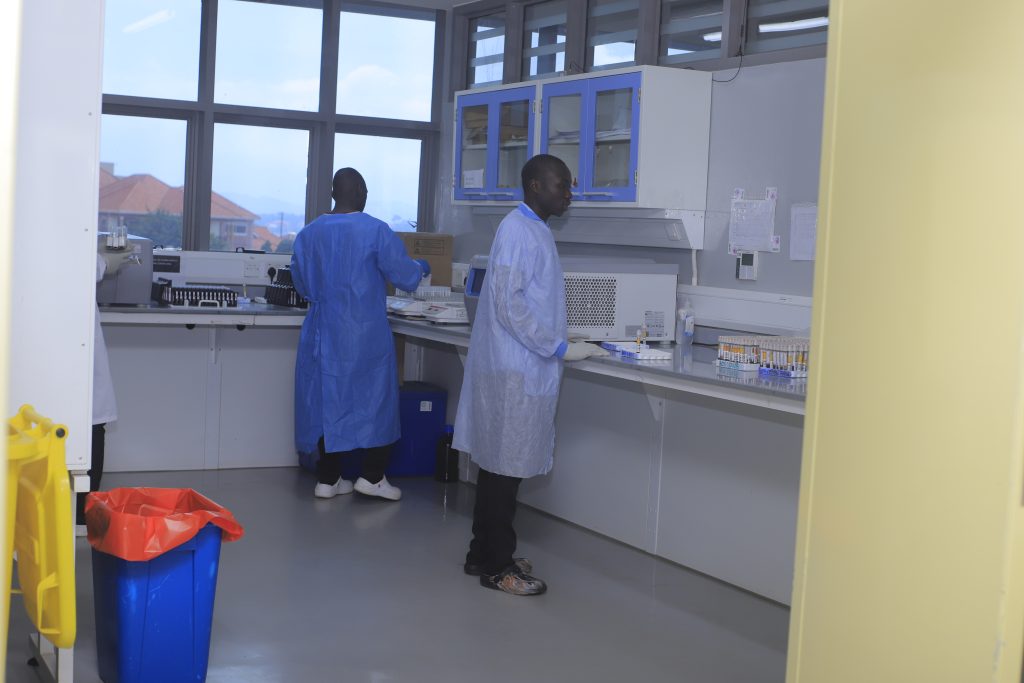
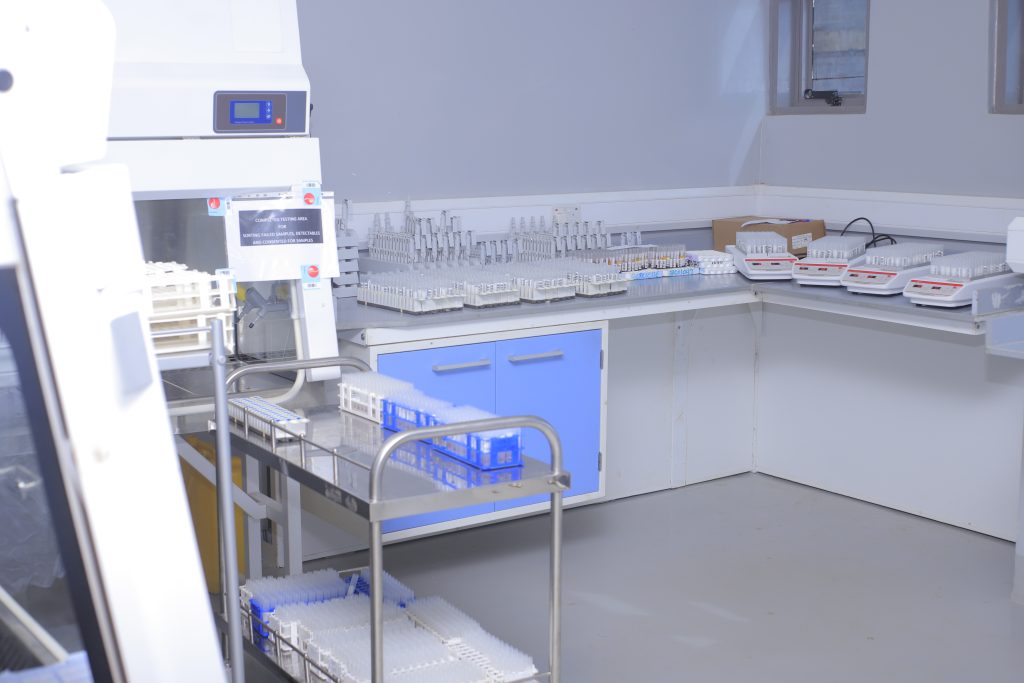
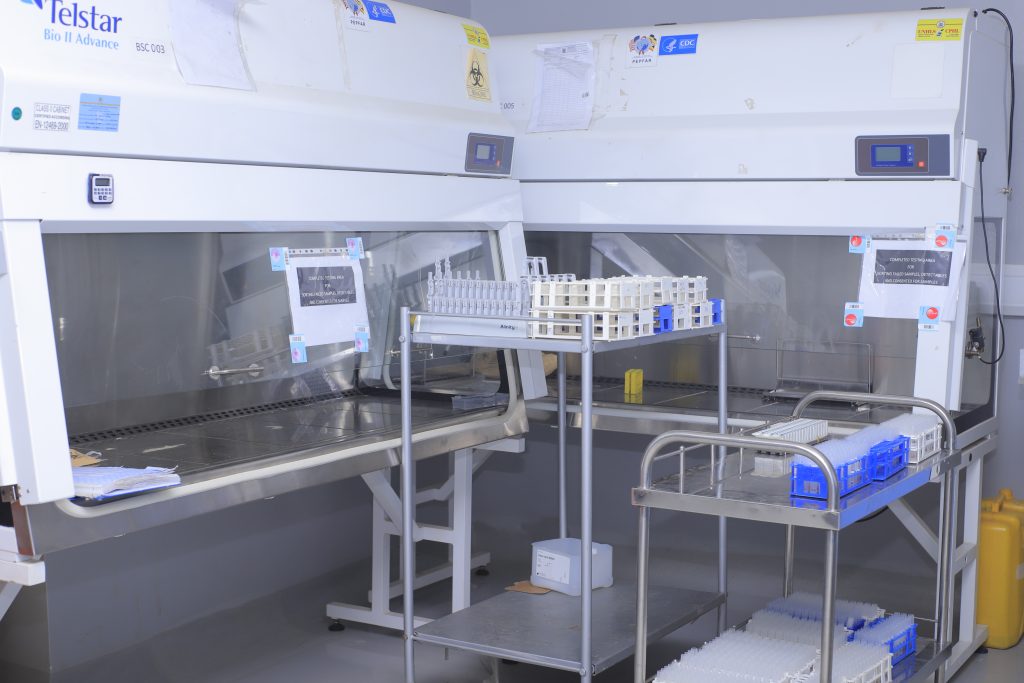
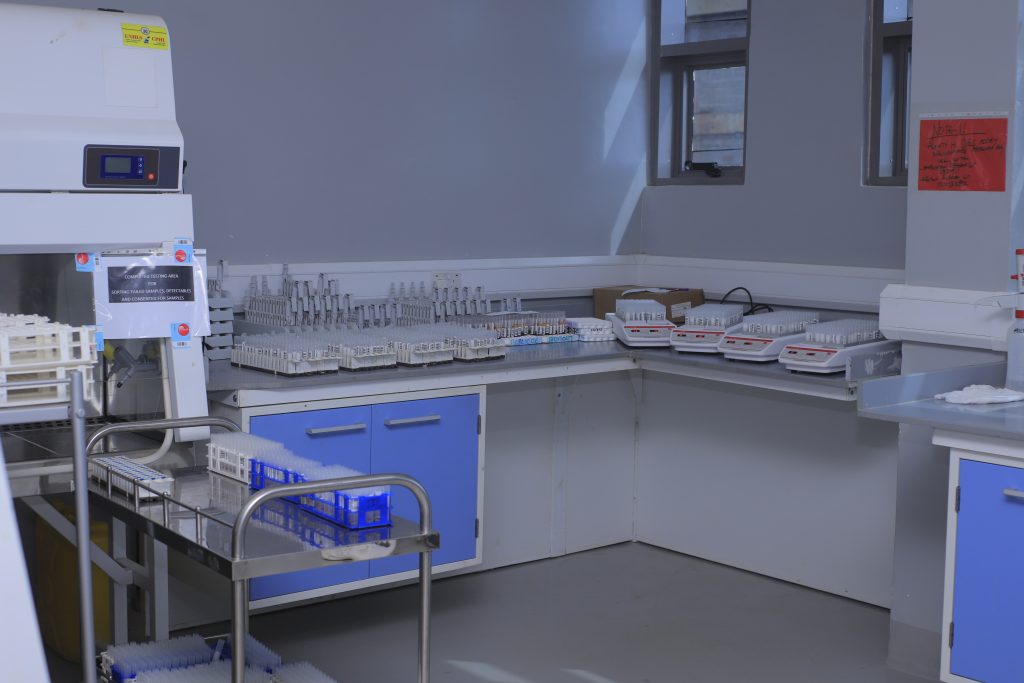
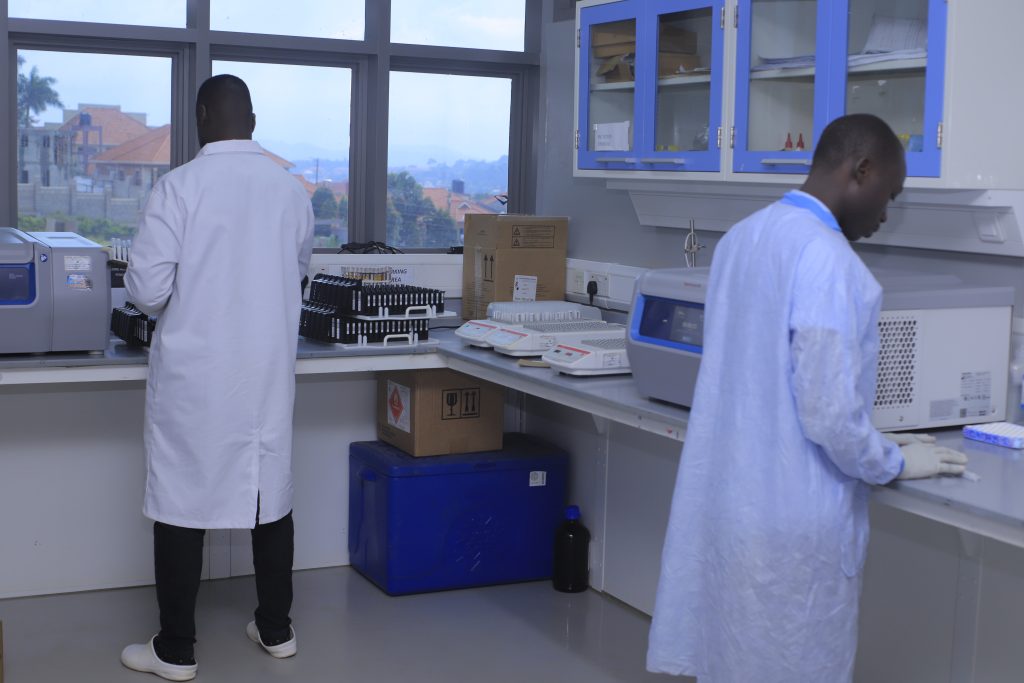
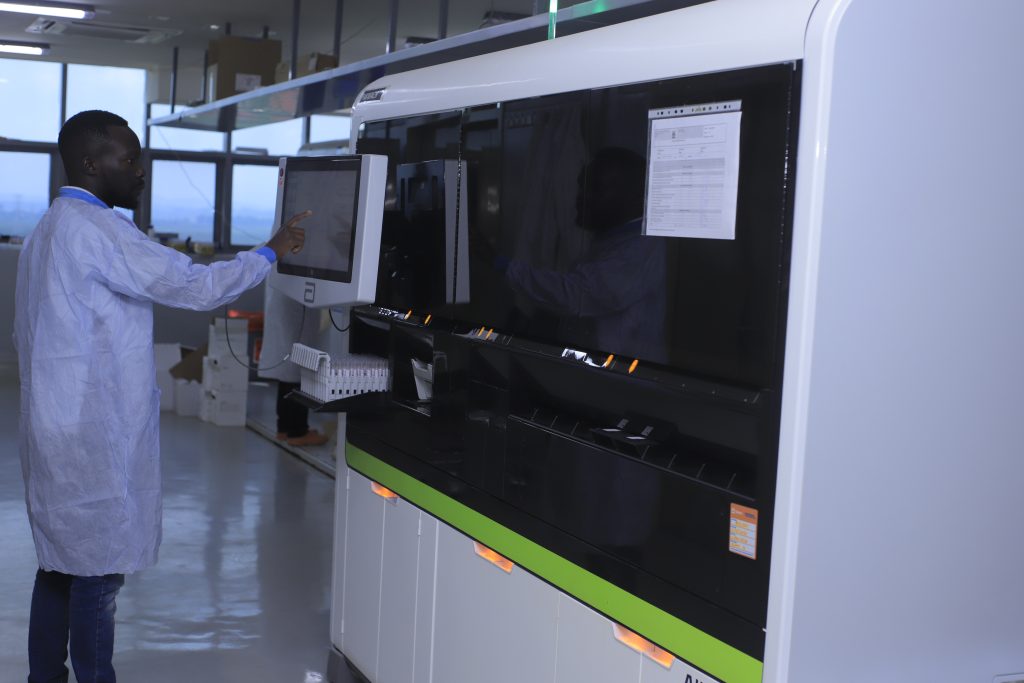
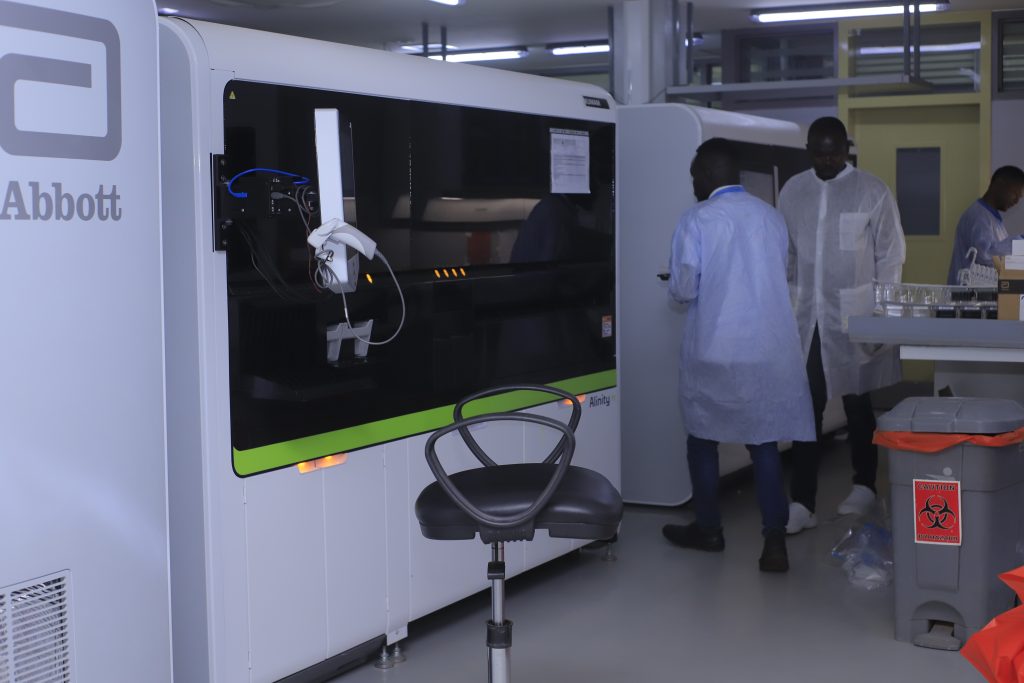
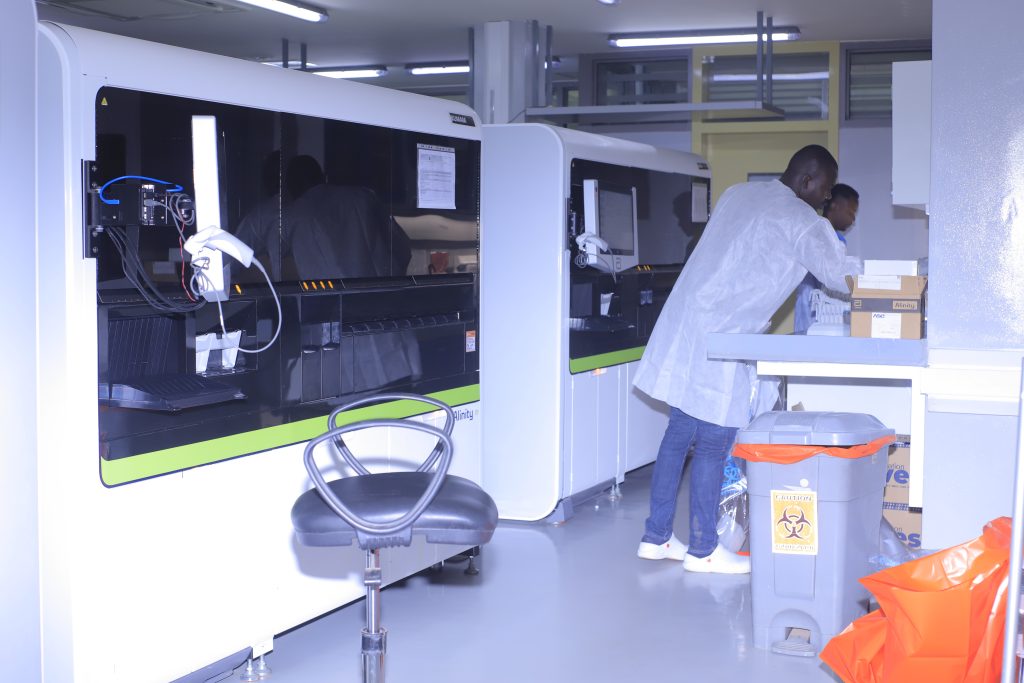
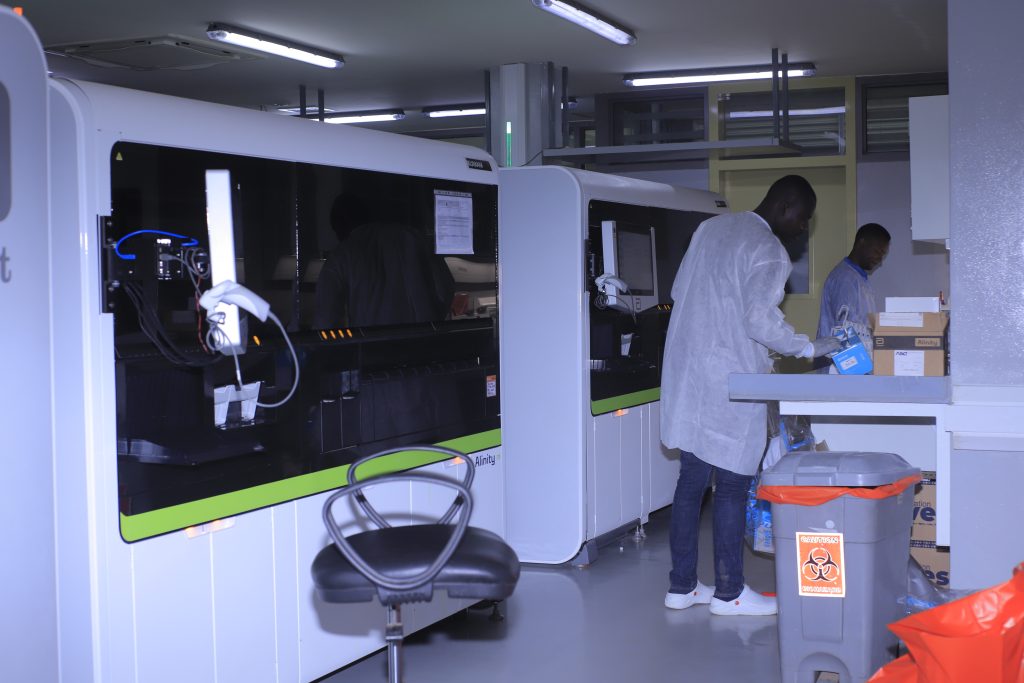
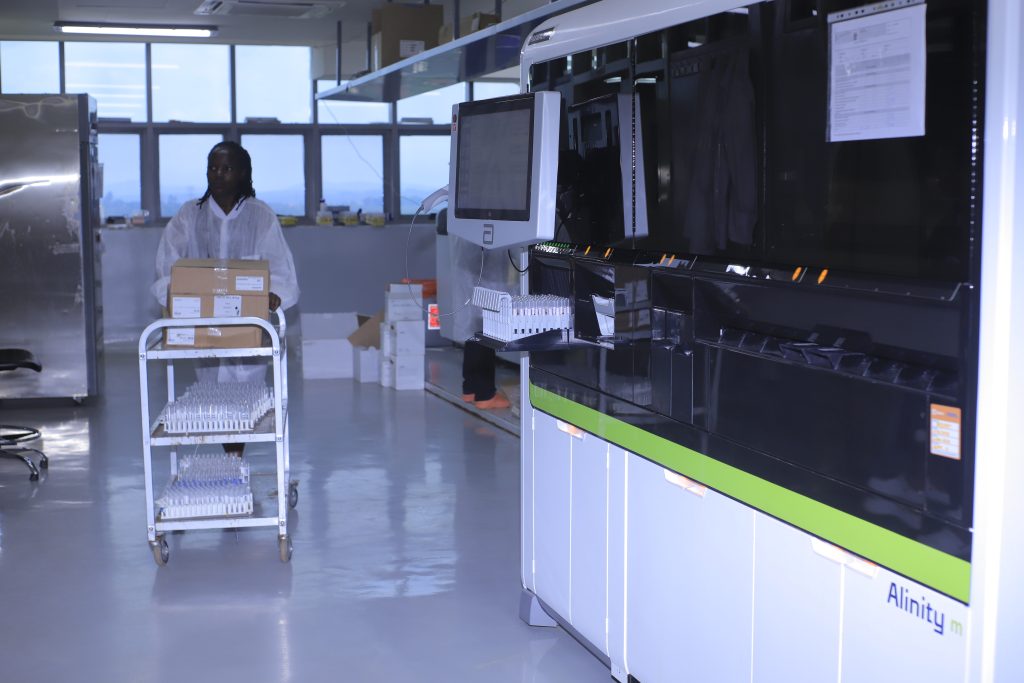
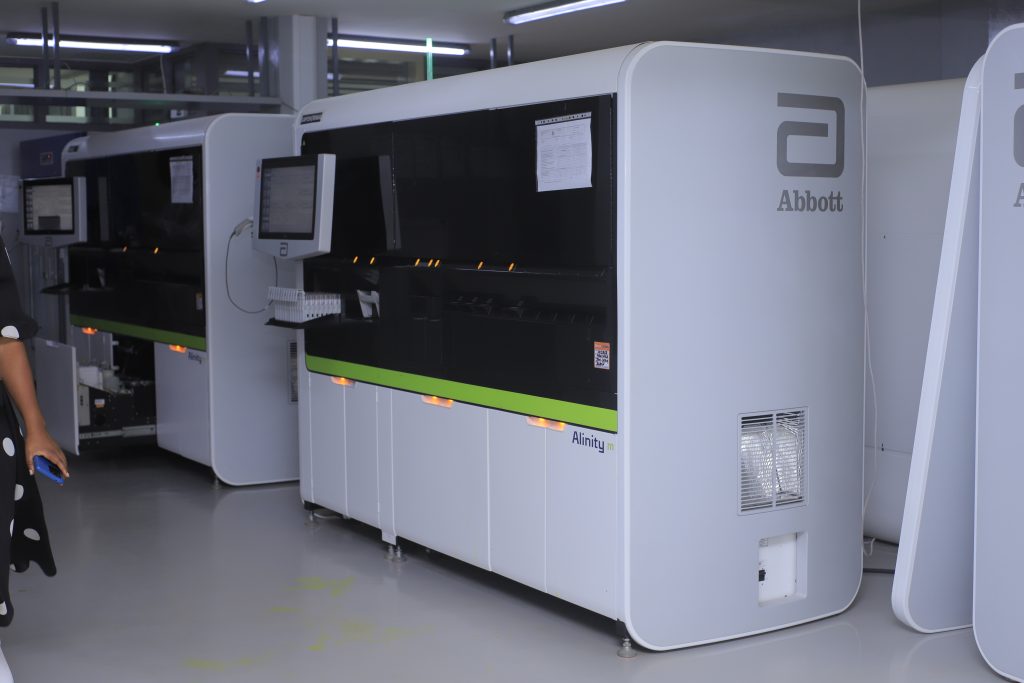
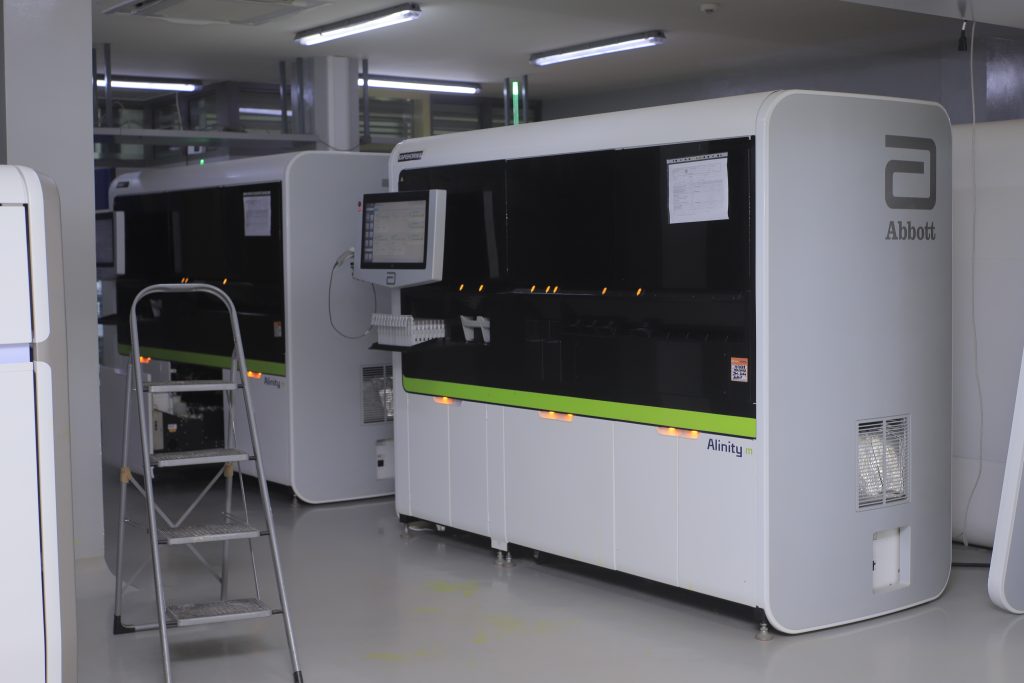
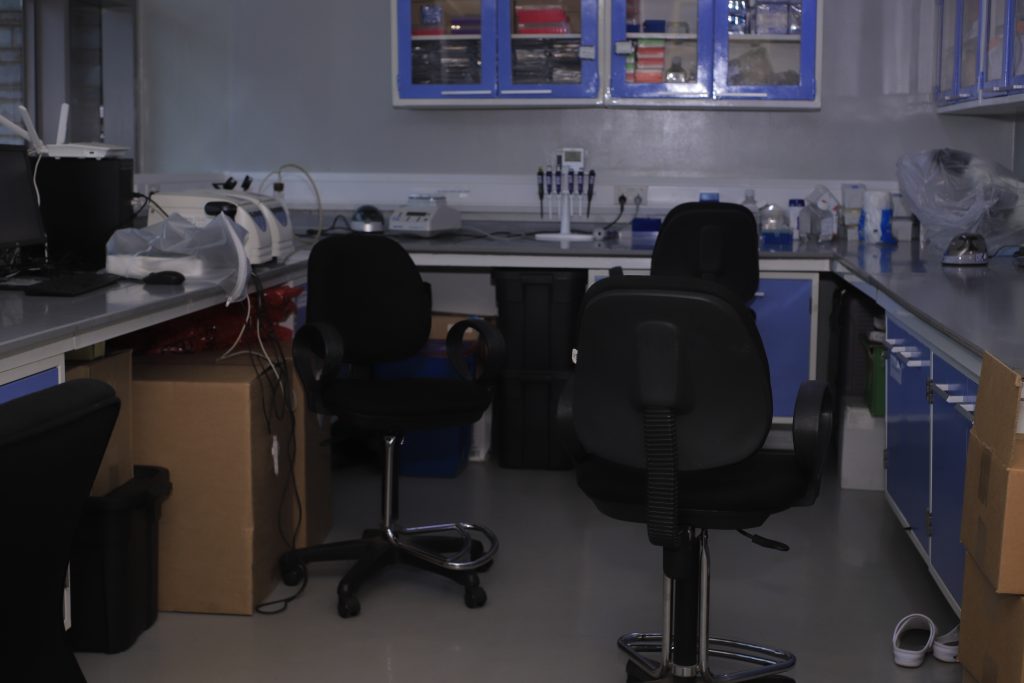
Uganda is making strides in the sector as it seeks to provide quality services to the citizenry. As part of efforts to achieve this, the government through the Ministry of Health has established three state-of-the-art Specialized Reference Laboratories under National Health Laboratory and Diagnostic Services (NHLDS).
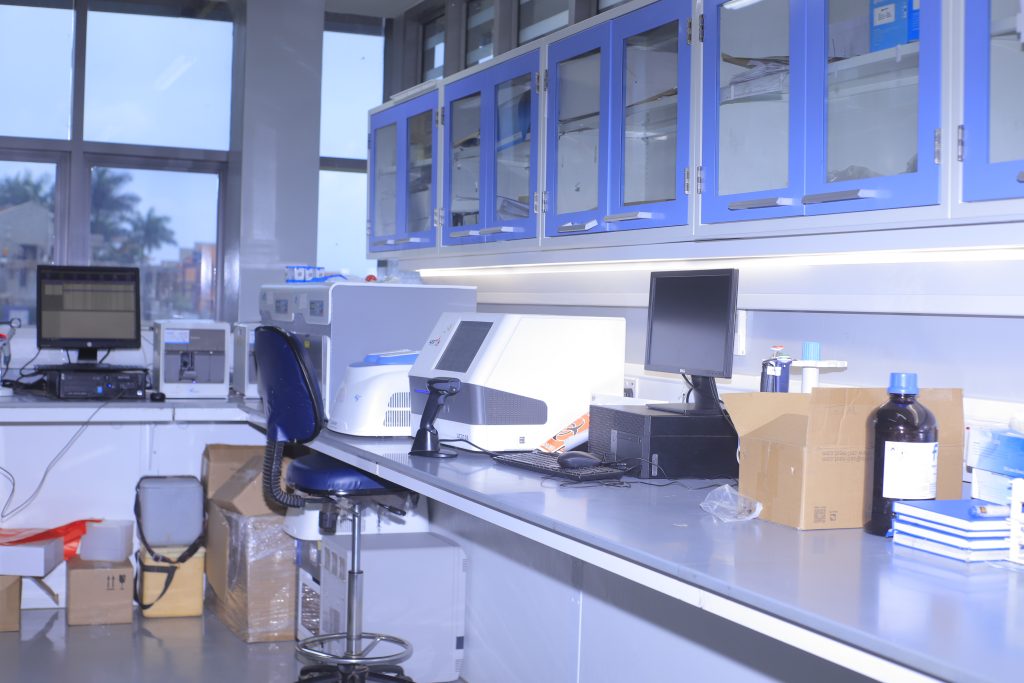
They are; The Central Public Health Laboratories (CPHL), the National Tuberculosis Reference Laboratory (NTRL) and National Microbiology Reference Laboratory (NMRL), all of which are accredited to International Standards, meaning that their results are trusted anywhere in the world.
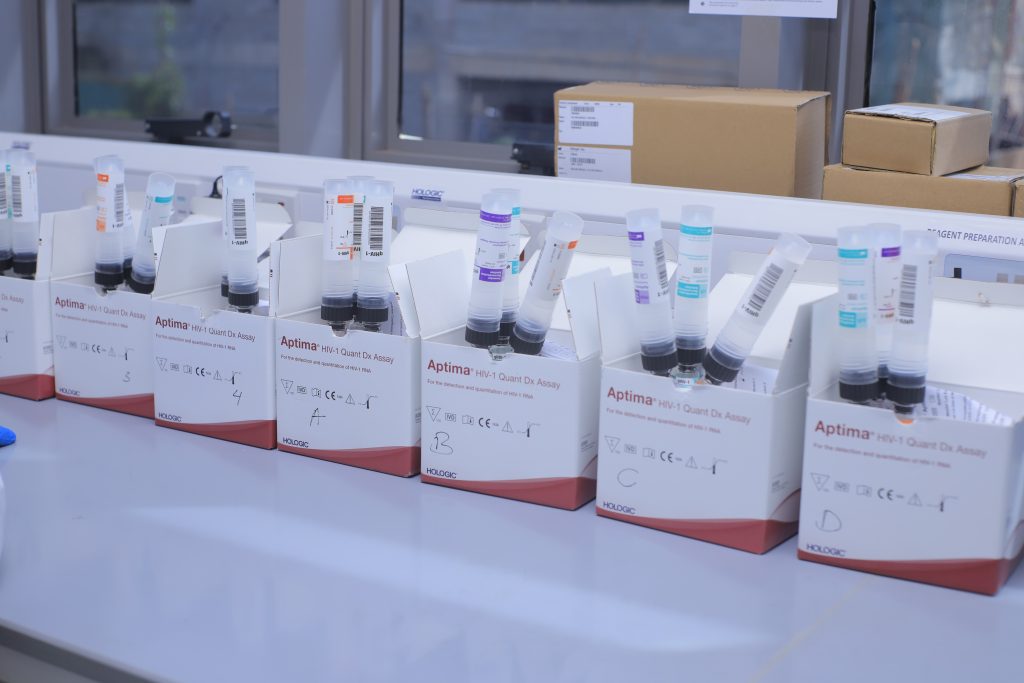
These reference Laboratories are supplemented by the Lab capacities in research institutes such as the Uganda Virus Research Institute (UVRI) Laboratory, Joint Clinical Research Centre (JCRC) and universities (Makerere, Mbarara, Gulu, etc) whenever need arises.
Major Capacities in the Reference Laboratories
The major Capacities of the National Health Laboratory Services are as follows: –
✓ Capacity to test for COVID-19 in Butabika, and with mobile Laboratories currently placed in Tororo, Adjumani Hospital (for Elegu border crossing), Mutukula and Mubende Regional Referral Hospital. Additionally, all the Regional Referral Hospitals have been equipped with GeneXpert machines which the department activates any time additional testing capacity is needed. These Laboratory has been the cornerstone in the Ministry’s strong response in the prevention, management and control of the ongoing COVID-19 by providing quality and real-time results for decision-making.
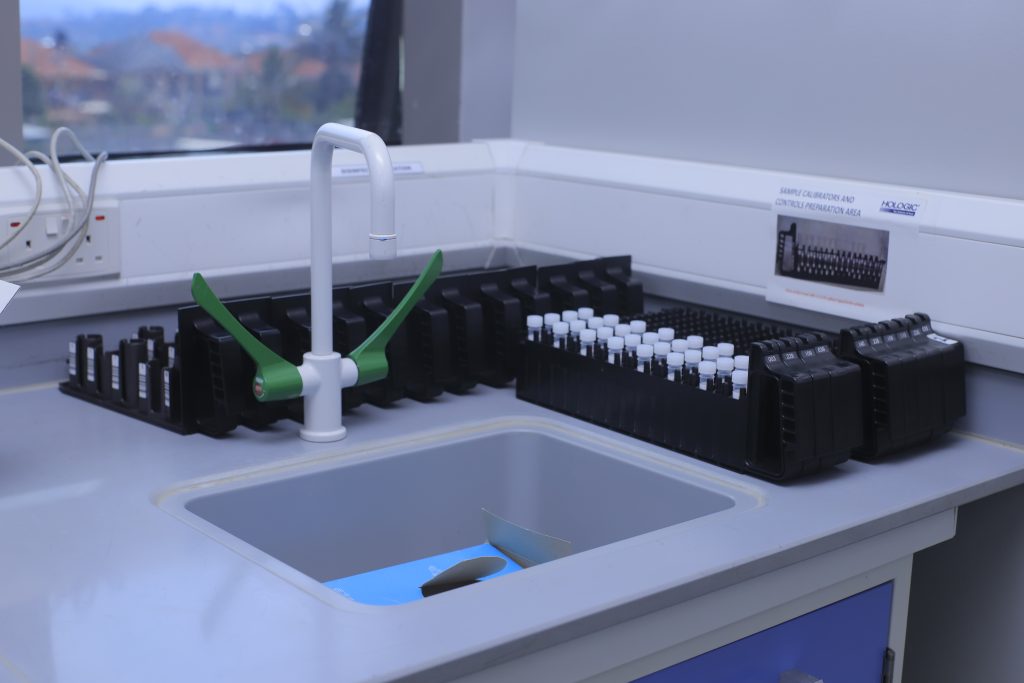
✓ Capacity of National TB Reference Laboratory (NTRL) to consistently provide surveillance and early detection of Multidrug Resistant Tuberculosis (MDR-TB) and Extremely Resistant TB (XDR-TB) to help in early detection and isolation of cases to prevent spread and protect life.
✓ Capacity to provide testing for diagnosis of HIV and Hepatitis B including Viral Load for up to 2.5 million tests every year thereby providing access door to life saving ARVs and treatment monitoring for people living with HIV/AIDS and Hepatitis B including babies and pregnant mothers.
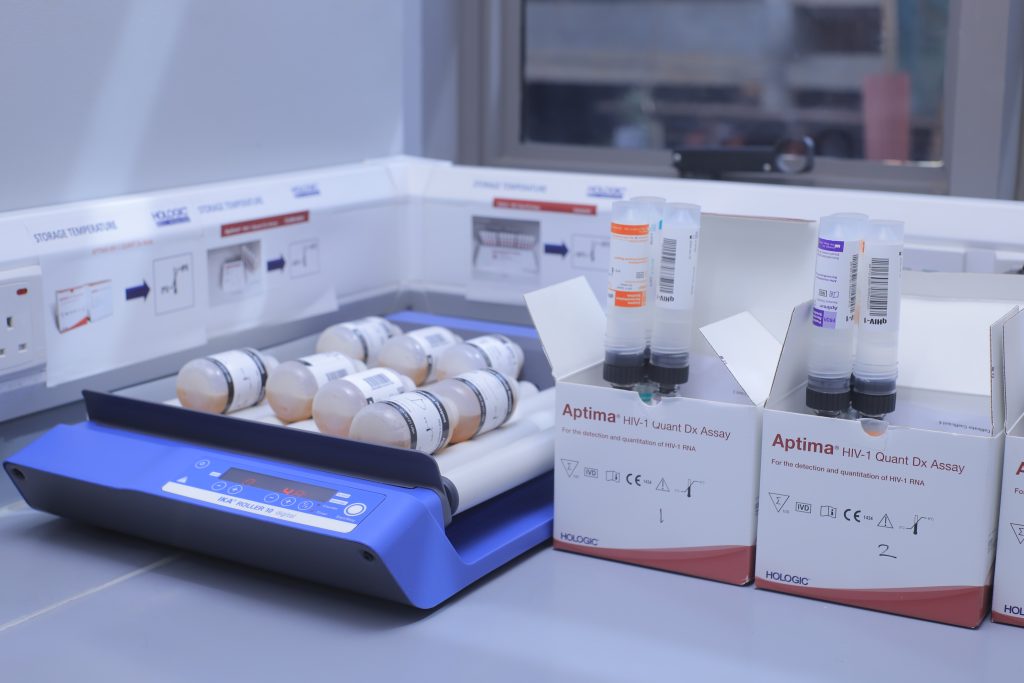
✓ Capacity for sickle cell disease confirmation, Heme Path Cancer Diagnosis and other non-communicable and lifestyle disease diagnosis.
✓ Capacity for routine diagnostic check-ups for functions of the Kidney, Liver, Heart and other vital organs of the body.
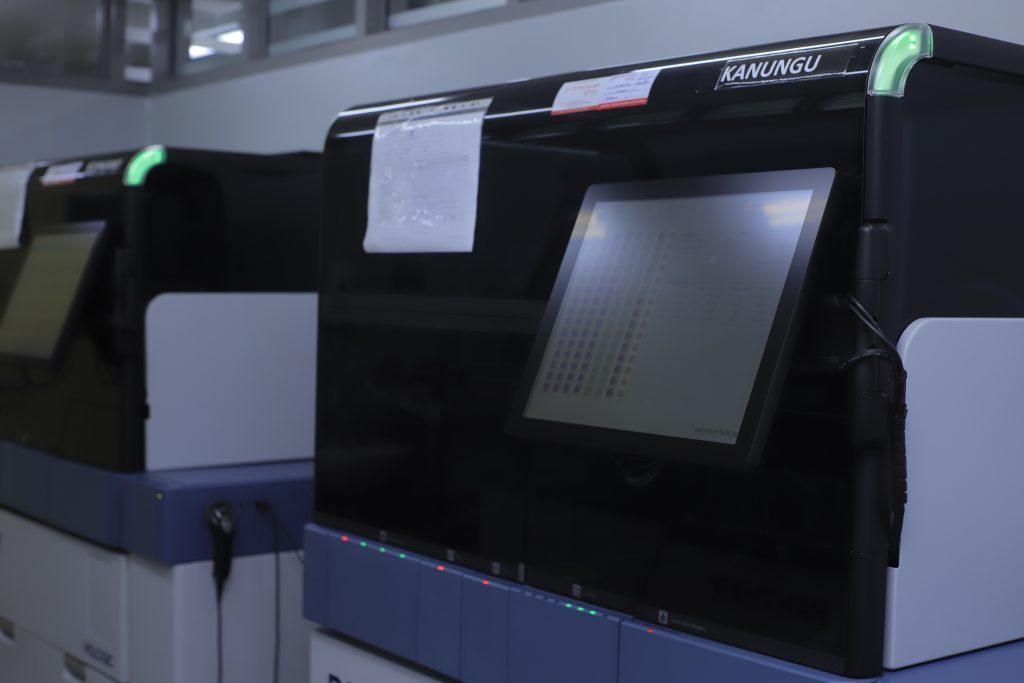
✓ Established the genomic Laboratories at the Central Public Health Laboratory (CPHL) and National Tuberculosis Reference Laboratory (NTRL) for routine surveillance of any genetic changes in disease–causing microorganisms that may result in being very dangerous (like resistance to treatments) or weaker and therefore milder.
✓ Capacity of the National Microbiology Reference Laboratory to carry out routine bacterial culture and sensitivity for Antimicrobial Resistance (AMR) surveillance.
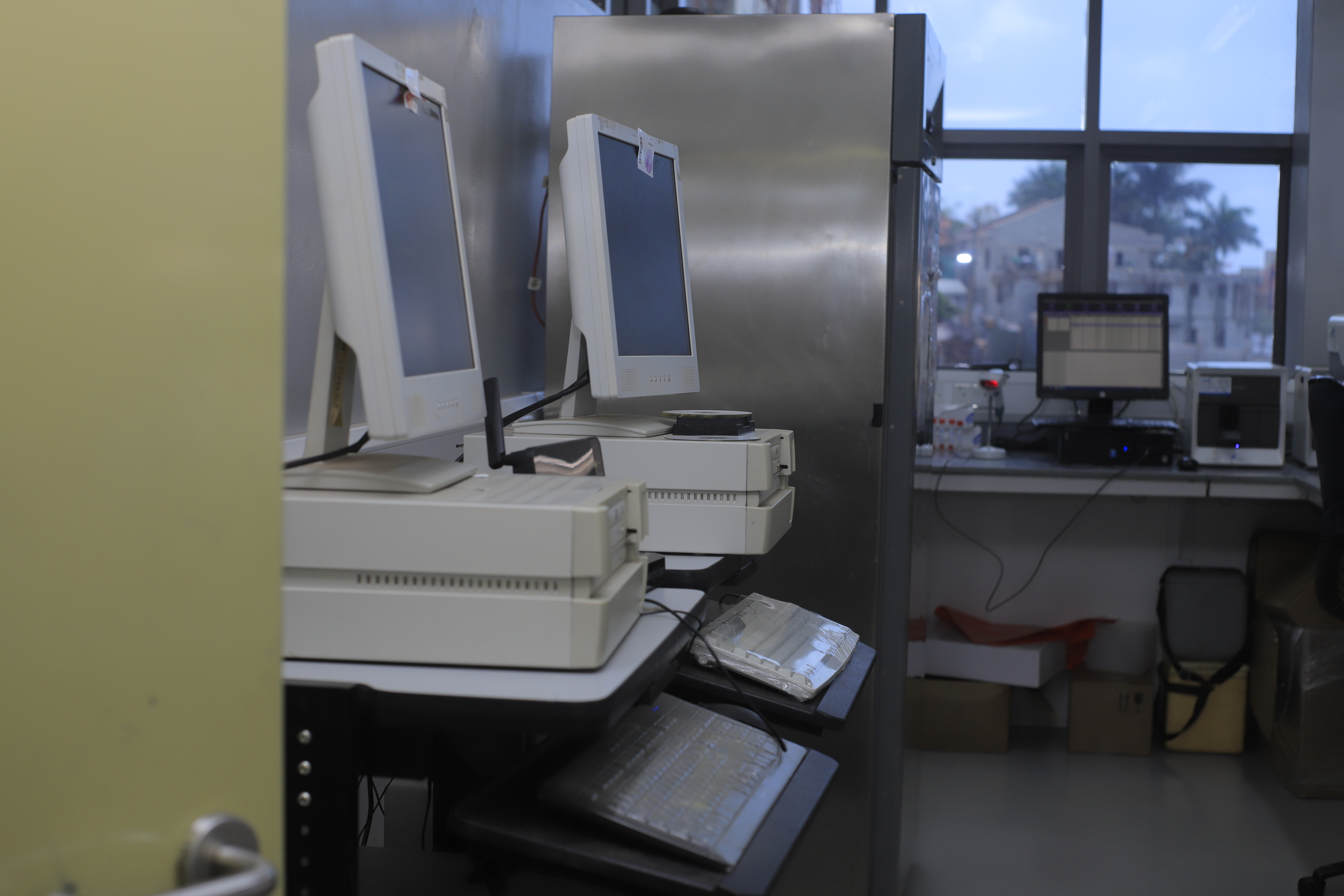
✓ Developed laboratory information management systems which is used at the in the refence Laboratories (CPHL and NTRL) to track patients’ samples and relay results to the Doctors. For example, the TB Lab information system tracks patient samples and rely results to MDR treatment sites in the country, which has greatly improved turn round time for TB culture and drug susceptibility results.
✓ The External Quality Assessment (EQA) Laboratory. The reference Laboratories at NHLDS produce Proficiency testing panels that are accredited to ISO Standards which are used to expertly control the quality of Laboratory diagnosis across the national health laboratory network.
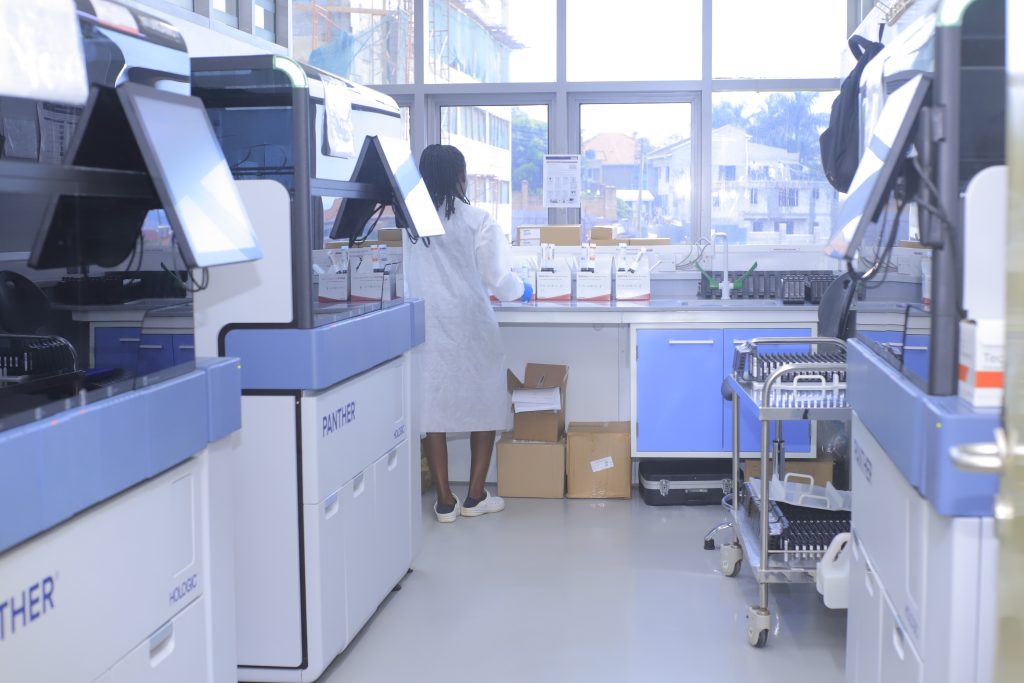
✓ Equipment Calibration Centre. The NHLDS has an internationally accredited equipment calibration Centre that supports calibration and standardization of equipment in the whole Laboratory sub-sector in the country to ensure they provide accurate results.
✓ The Laboratory Department (through NTRL and CPHL) Supports 26 countries in Africa as part of the World Health Organization – given mandate, and has supported ISO 15189 accreditation of 11 National Reference laboratories in the region. This is marketing Uganda’s healthcare system internationally.

Ther Ministry of Health PS, Dr Diana Atwine, on Tuesday, commissioned the newly refurbished maternity ward at Butenga HC IV in Bukomansimbi District.
It was refurbished with support from Korean Foundation for International Health (KOFIH).

Additionally, KOFIH also supported the construction and equipping of the Surgical Ward, OPD and Emergency Unit Block.

Digital X-rays, ambulance and emergency care equipment and supplies have been procured to support health service delivery at Bukomansimbi District.
“Once we have buildings, equipment and health workers, patients will come and receive quality services,” Dr Atwine said during the ceremony.
She added, “All this capacity is enabling Butenga HCIV to handle referrals from Bukomansimbi, Masaka, Lwengo, Ssembabule and Kalungu and from as far as Gomba.”
https://x.com/DianaAtwine/status/1701522964896776336?s=20


-
 News11 months ago
FACTS ABOUT WORSHIP HARVEST: History, Growth, and Vision
-
 News11 months ago
EU Envoy Sadek Visits Phaneroo, Commends the Ministry’s Impact on Ugandan Youth
-
 News11 months ago
Vote for Continuity of Peace and Stability, First Lady Janet Museveni Urges Ugandans
-
 Environment4 years ago
What Can Christians Do About Climate Change?
-
News2 years ago
US Televangelist Benny Hinn reveals his ‘2 biggest regrets;’ Preaching Prosperity Gospel, False Prophecies